Reading vineyard claims

Old vines, yields and harvest

Old vines and low yields matter in Priorat, but neither phrase explains a wine by itself. Vine identity, parcel, farming, season and selection still need to be known.

Established vines in a Priorat vineyard near Falset

Old vine is descriptive before it is evaluative

Old Garnatxa and Carinyena vineyards are an important part of the region’s inheritance, especially where replanting after phylloxera was limited. Age may mean deep-established root systems and naturally lower production.

There is no useful universal age at which a vine becomes excellent. Missing vines, mixed planting dates, grafting and vineyard renovation can complicate a simple year on a technical sheet.
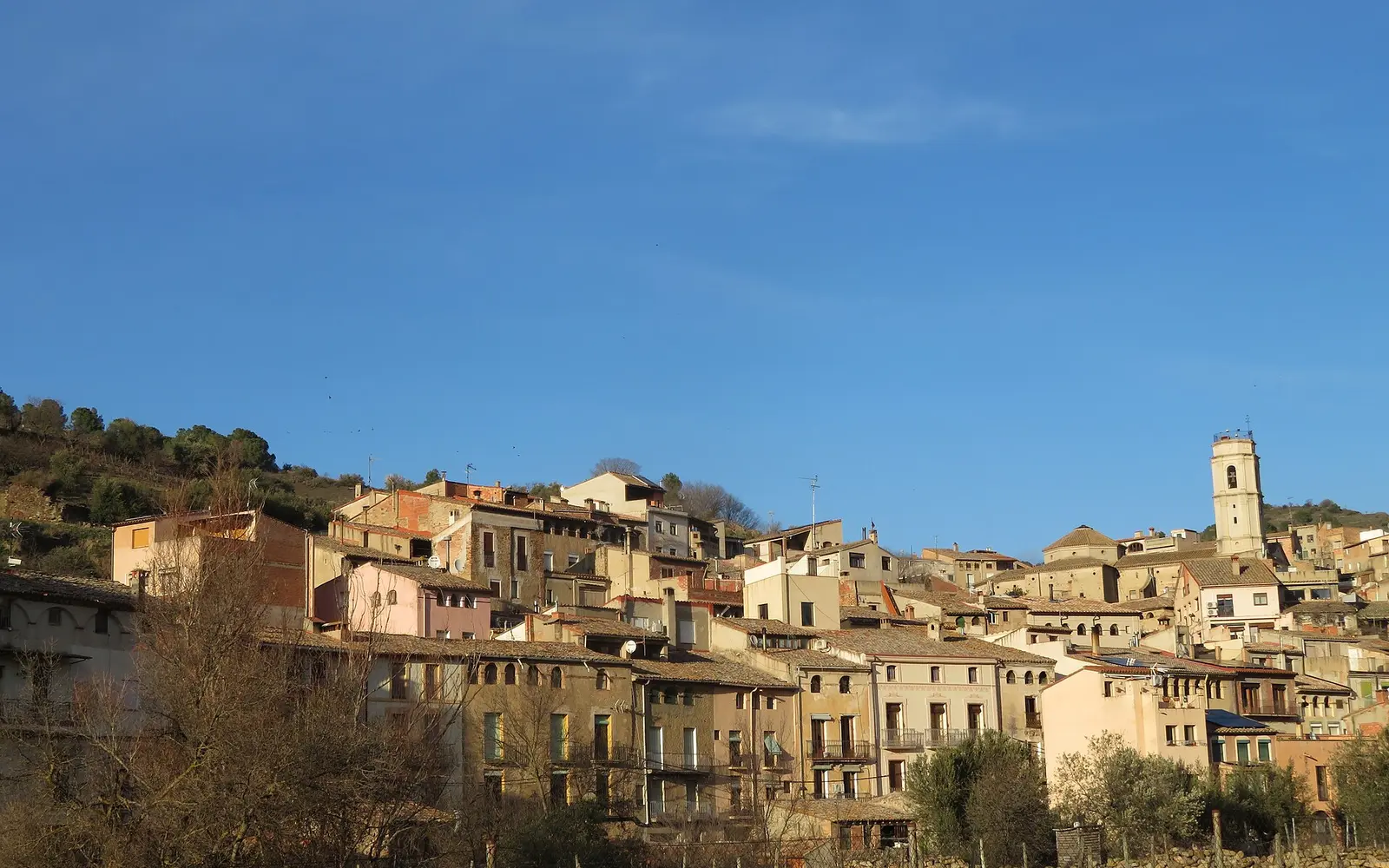
Porrera, comarca del Priorat (Tarragona), used as Porrera context
PorreraDemanding slopes give context to low yields, but difficulty alone is not a quality certificate.Image: Porrera, comarca del Priorat (Tarragona), Juan Emilio Prades Bel, CC BY 4.0

Low yield can have several causes

The DOQ describes average production below one kilogram per vine in its demanding sites. Shallow ground, limited water, vine age, disease pressure, pruning and crop decisions can all contribute.

Low yield is not an automatic quality score. Very low production can also reflect stress, imbalance or a difficult season, which is why the parcel and year still matter.
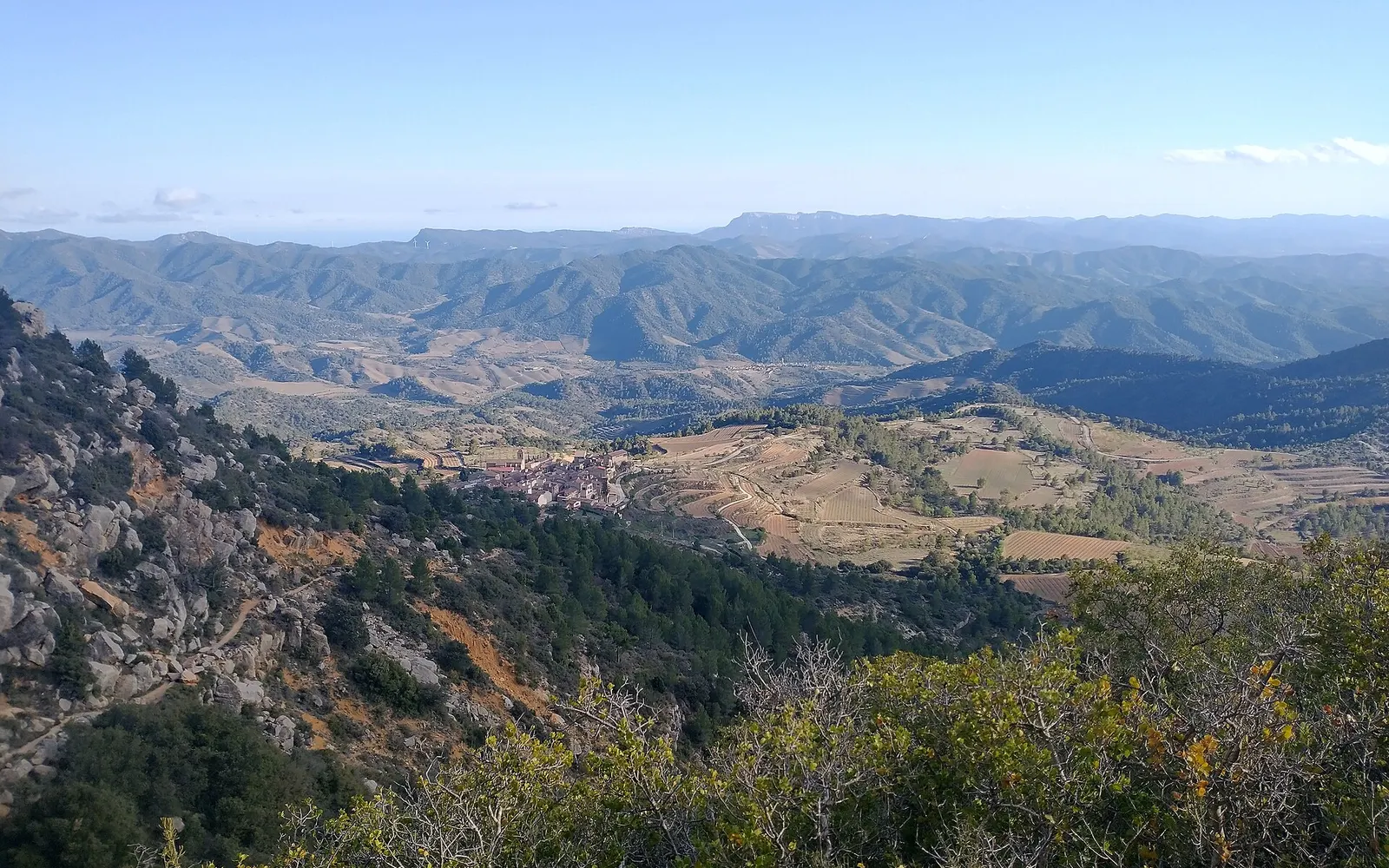
La Morera de Montsant desde el Montsant, used as La Morera de Montsant context
La MoreraHigher sites may be picked later, though variety, aspect and the season can overturn a simple altitude rule.Image: La Morera de Montsant desde el Montsant, Pau Cugat, CC BY-SA 4.0

Harvest stretches across altitude and exposure

The DOQ’s own account places early picking in lower Bellmunt and El Lloar and later work in high Porrera and La Morera. The regional harvest can therefore extend from September into late October or early November.

A producer may pick different varieties and parcels weeks apart. A regional harvest date should never be substituted for the record of one wine.

20260806 Casa Gran (Bellmunt del Priorat) 3, used as Bellmunt del Priorat context
BellmuntLower ground around Bellmunt often enters the regional harvest earlier than the highest DOQ sites.Image: 20260806 Casa Gran (Bellmunt del Priorat) 3, Masquer11, CC BY-SA 4.0

The vintage changes what the same vineyard can give

Heat, drought, rainfall timing and disease pressure affect yield and ripening. Recent dry years have made water availability and vine resilience especially important across both appellations.

Appellation vintage ratings are broad summaries. For a bottle decision, producer, site, style, storage and current tasting evidence are more useful than the regional grade alone.

Questions worth asking of an old-vine claim

How old?

Look for a planting year or documented range rather than assuming a universal threshold.

How complete?

Replacements, grafting and missing vines can make one age number less exact than it appears.

Why low-yielding?

Age, drought, pruning, disease and deliberate crop control do not mean the same thing.

Which vintage?

The same parcel can behave differently under heat, rain, disease pressure and water stress.

Read through place

Villages connected with this subject

PorreraOpen village profile →La Morera de MontsantOpen village profile →Bellmunt del PrioratOpen village profile →
Sources and verification

Official appellation and Catalan wine authority references used for this page.