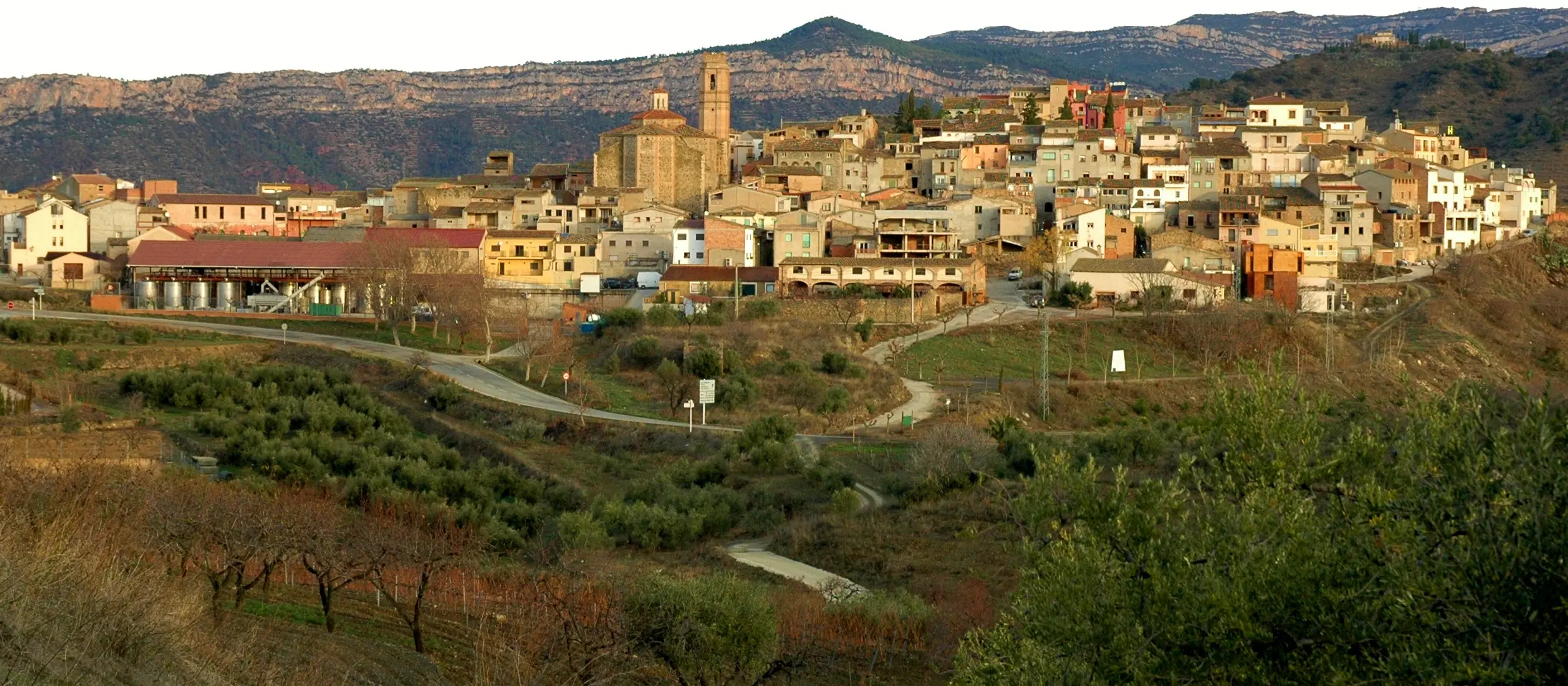
Costers follow the slope
Coster is the Catalan term used for a steep hillside. Vines planted on a coster follow ground that may be too steep for conventional machinery, leaving much of the work dependent on people and small equipment.
The DOQ records slopes above 15 per cent as common and notes that some estates reach 60 per cent. Those figures describe the range of the territory, not every vineyard.
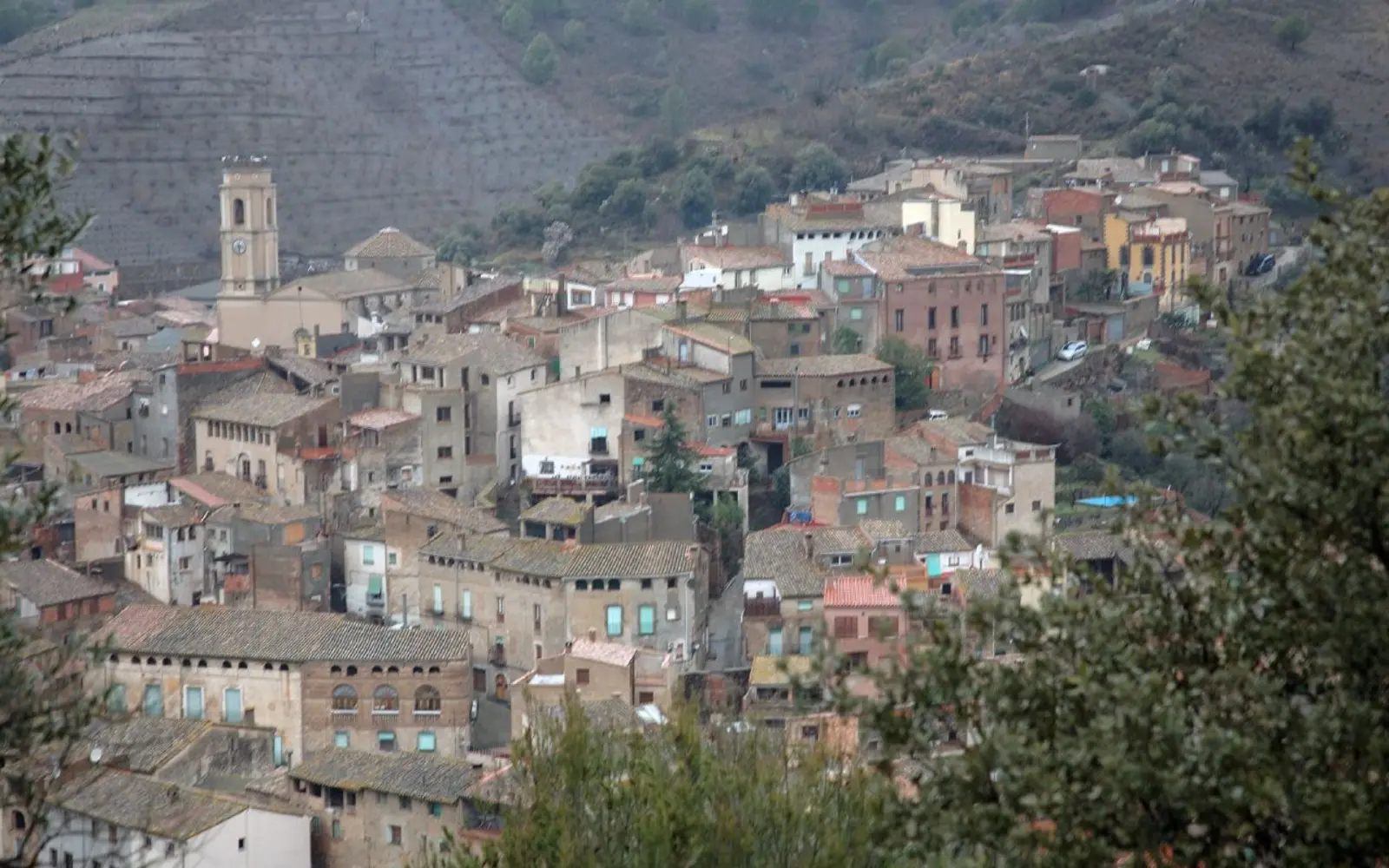
Terraces reshape the hillside
Terraces create flatter working strips across a slope. Historic dry-stone terraces and later earth-moving projects should not be treated as one construction type.
A terrace may allow safer access or limited mechanisation, while narrow old terraces can still support only a few vine rows. Drainage and wall maintenance matter as much as visual drama.
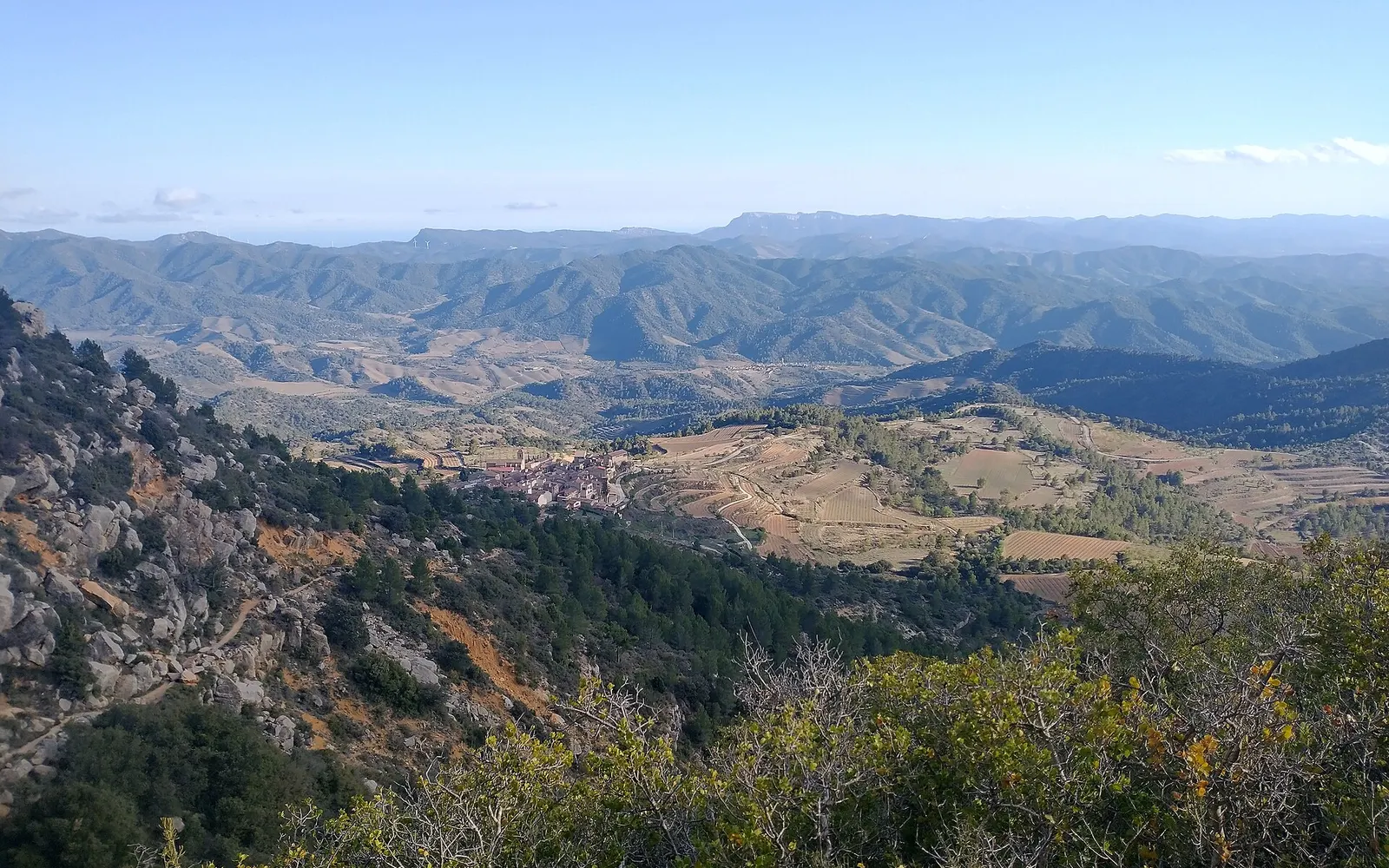
Altitude changes the harvest calendar
DOQ Priorat vineyards run from roughly 100 metres in lower parts of Bellmunt and El Molar to about 750 metres in the high ground of La Morera and Porrera.
The council describes harvest beginning earlier in lower areas and continuing into late October or early November at higher sites. Variety, exposure and the year’s weather complicate any simple altitude rule.
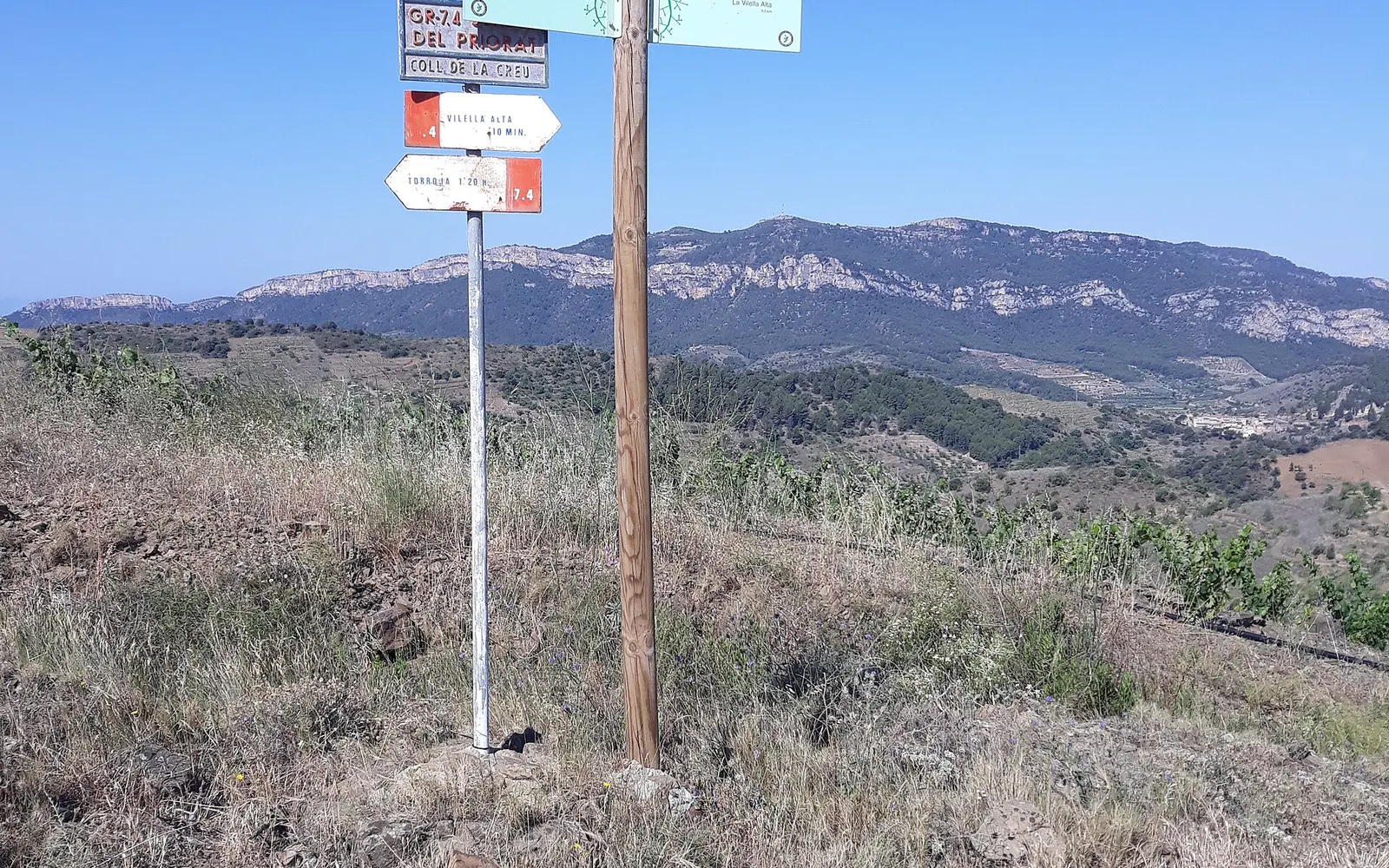
Heroic viticulture is a defined context
DOQ Priorat joined CERVIM in 2013. The organisation uses heroic viticulture for mountain regions where steep terrain, small or fragmented vineyards, limited mechanisation and high working costs combine.
The term describes production difficulty. It should not be used as automatic proof of wine quality or as a reason to romanticise unsafe or poorly maintained ground.