The wine
Priorat,
properly read.
Two appellations, old vineyards and a vocabulary rooted in place. Begin with the boundary on the bottle, then follow the village, grape and ground.
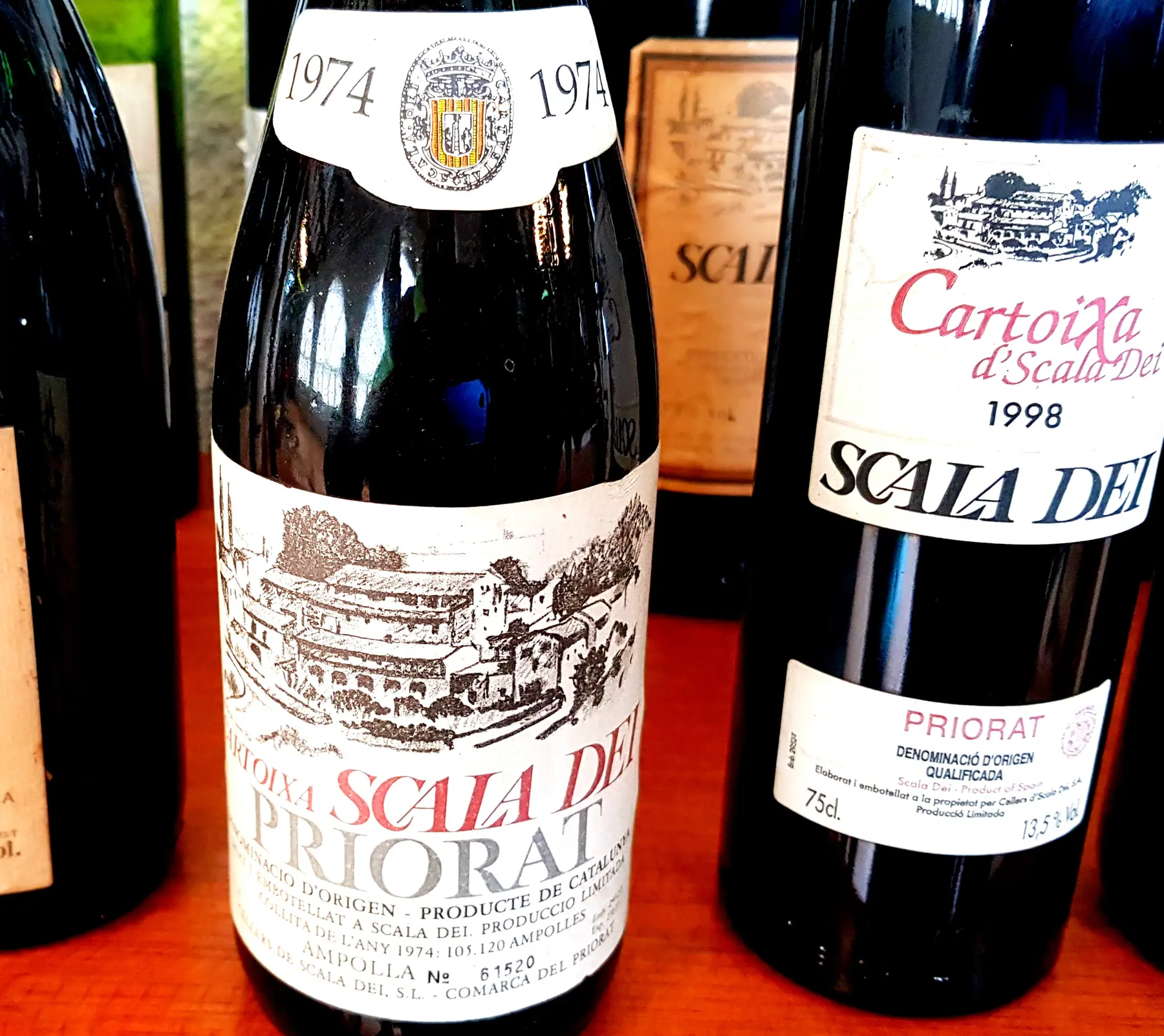
The essential distinction
Priorat is one comarca and two protected wine territories
DOQ Priorat occupies the compact historic core. DO Montsant covers a broader production area across much of the comarca and continues into Ribera d’Ebre.
The same roads and traditional grapes connect them, but a producer address, vineyard and appellation are separate facts. The guides below keep those facts separate too.
Side by side
The distinction at a glance
Shared geography does not make the appellations interchangeable.
Twelve connected guides
Choose what you need to understand
This is a reading map rather than a glossary. Each guide connects its subject to named places, producer records and the next useful question.
Begin with the boundaries
Two appellations share the region
Start here if DOQ Priorat, DO Montsant and the Priorat comarca are still running together in your head.
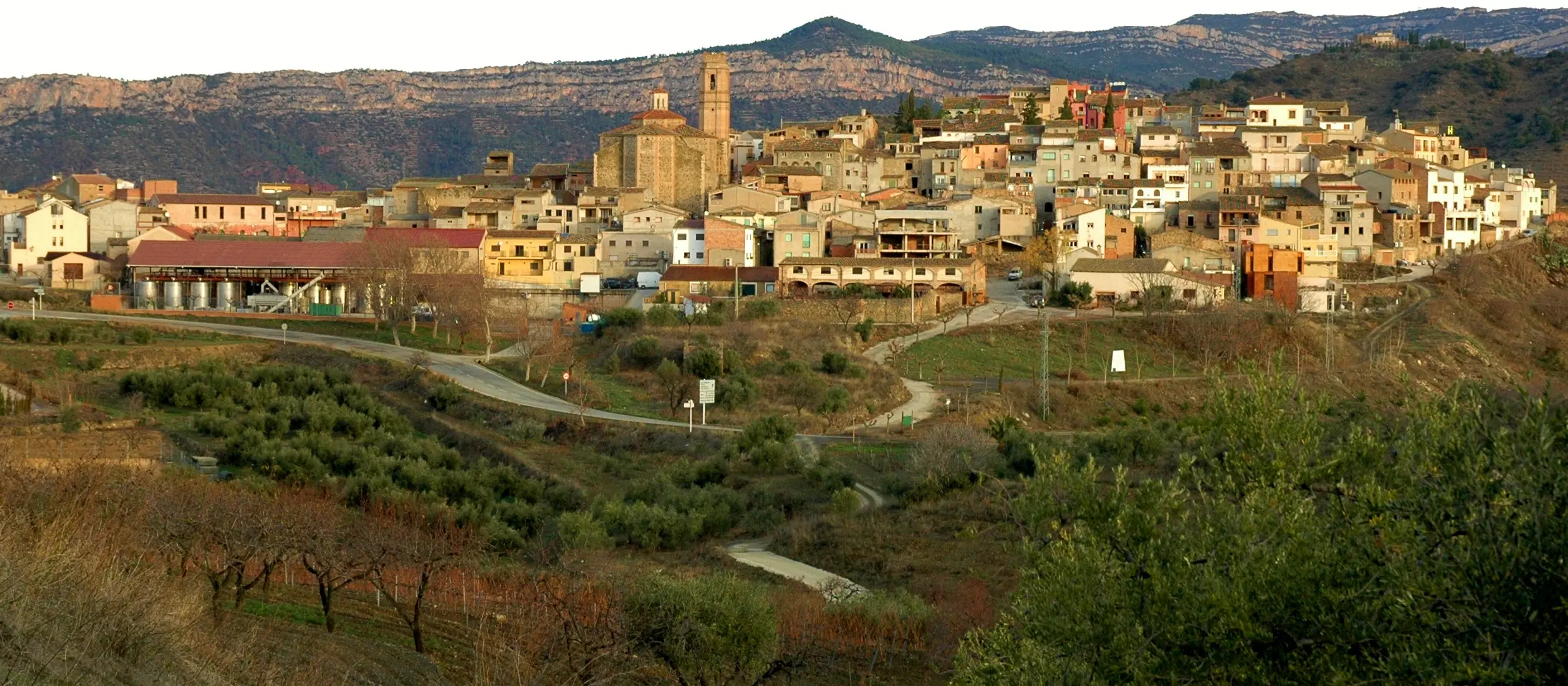
Qualified designation of origin
DOQ Priorat
Understand the territory, traditional grapes and village structure of the DOQ Priorat appellation.Read the guide →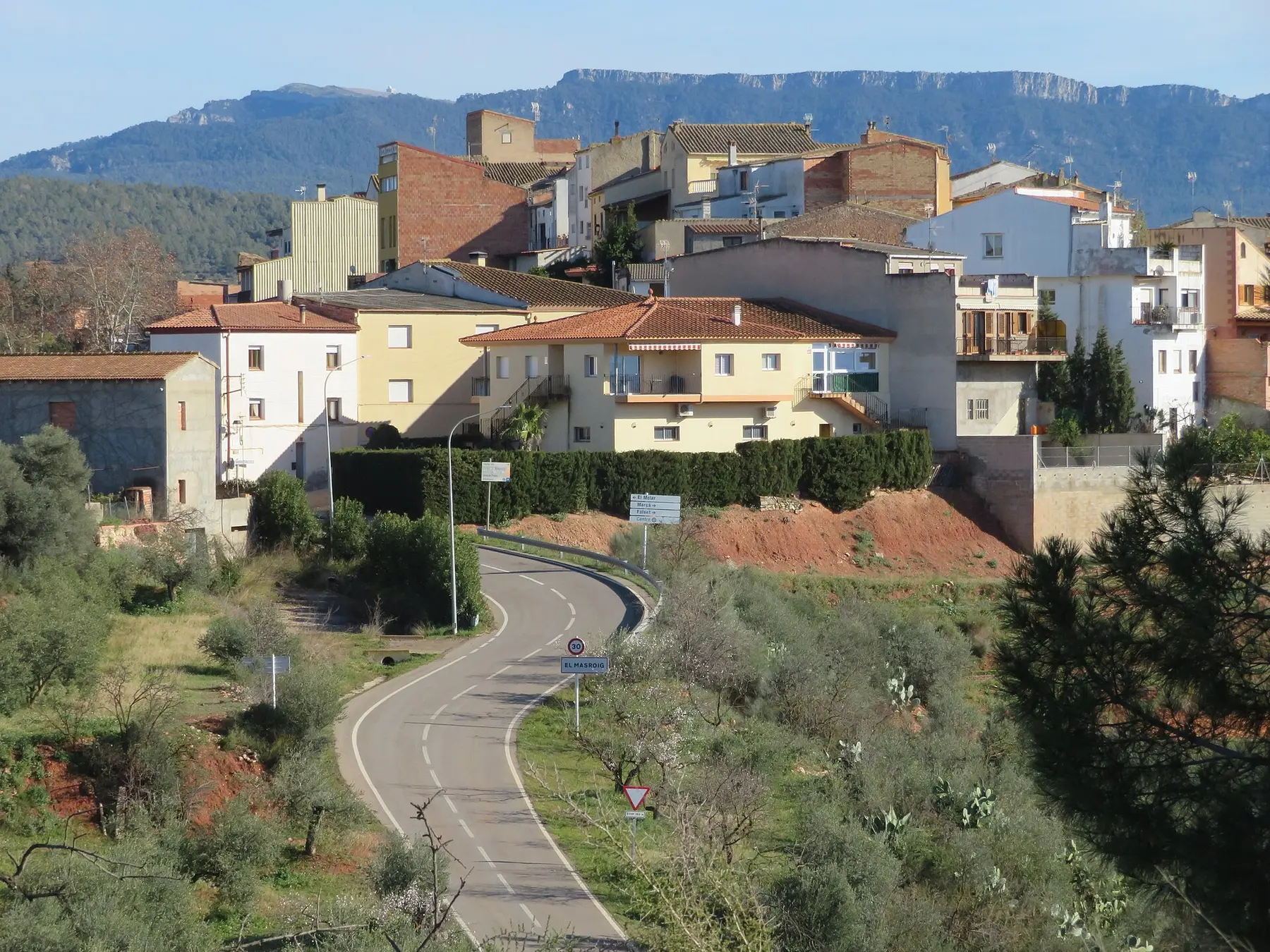
Denomination of origin
DO Montsant
Understand DO Montsant, its varied territory, traditional grapes and relationship with the Priorat comarca.Read the guide →Read the ground
Place, history and vineyard work
These guides explain why a village, slope or named vineyard often tells you more than a general idea of Priorat style.
Wine history
History of Priorat wine
Follow Priorat wine from the Carthusians of Scala Dei through phylloxera, cooperatives and the modern revival that began in the late 1980s.Read the guide →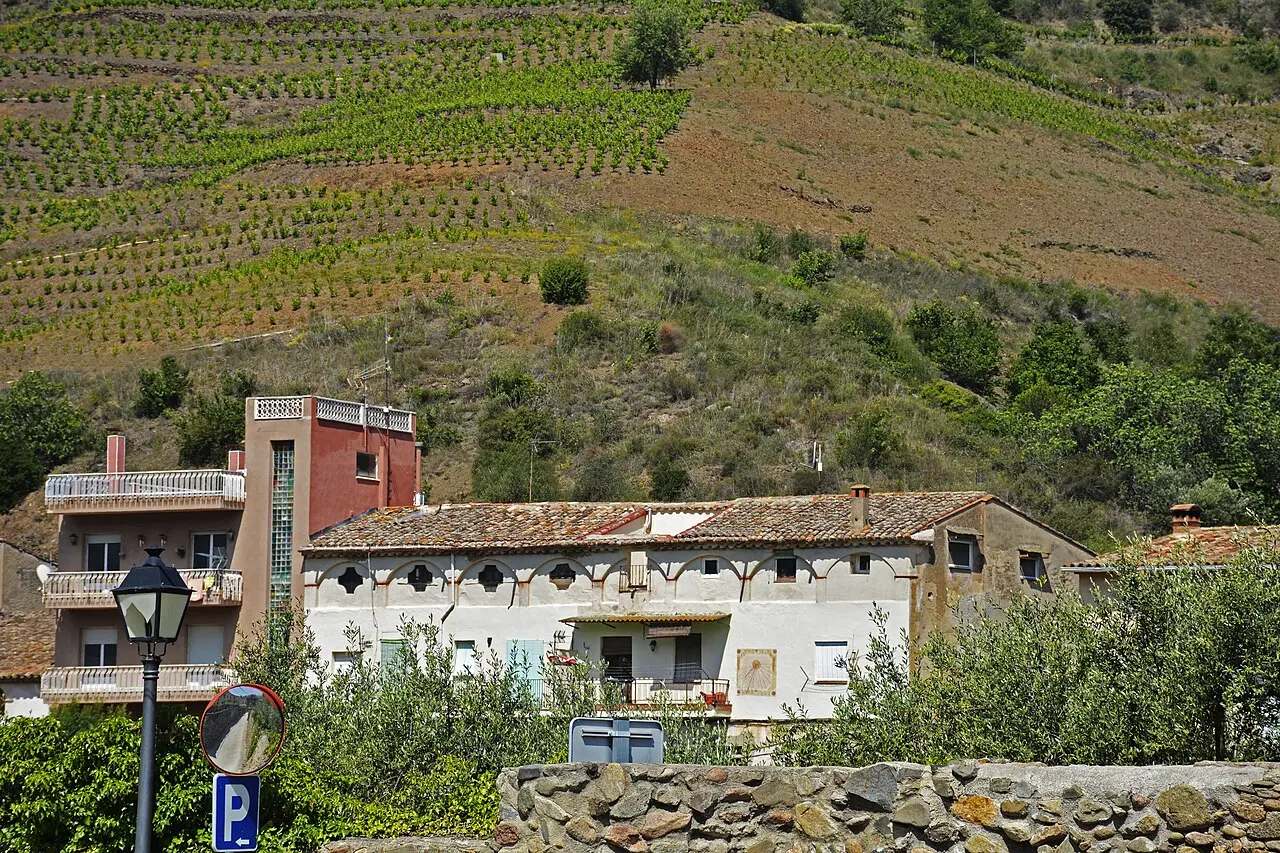
Ground beneath the vines
Llicorella and soils
Understand llicorella slate in DOQ Priorat and why the wider Priorat comarca cannot be reduced to one soil type.Read the guide →Mountain viticulture
Costers, terraces and vineyards
Learn how steep costers, constructed terraces, altitude and fragmented parcels shape vineyard work in Priorat.Read the guide →
Reading vineyard claims
Old vines, yields and harvest
Understand what old vines, low yields and a long harvest season can mean in Priorat without treating any one phrase as a quality guarantee.Read the guide →Read the bottle
Grapes, styles and origin language
Move from the varieties in the vineyard to the terms that appear on labels and technical sheets.
Traditional grape
Garnatxa
Understand Garnatxa Negra, Garnatxa Blanca and the grape's role across DOQ Priorat and DO Montsant.Read the guide →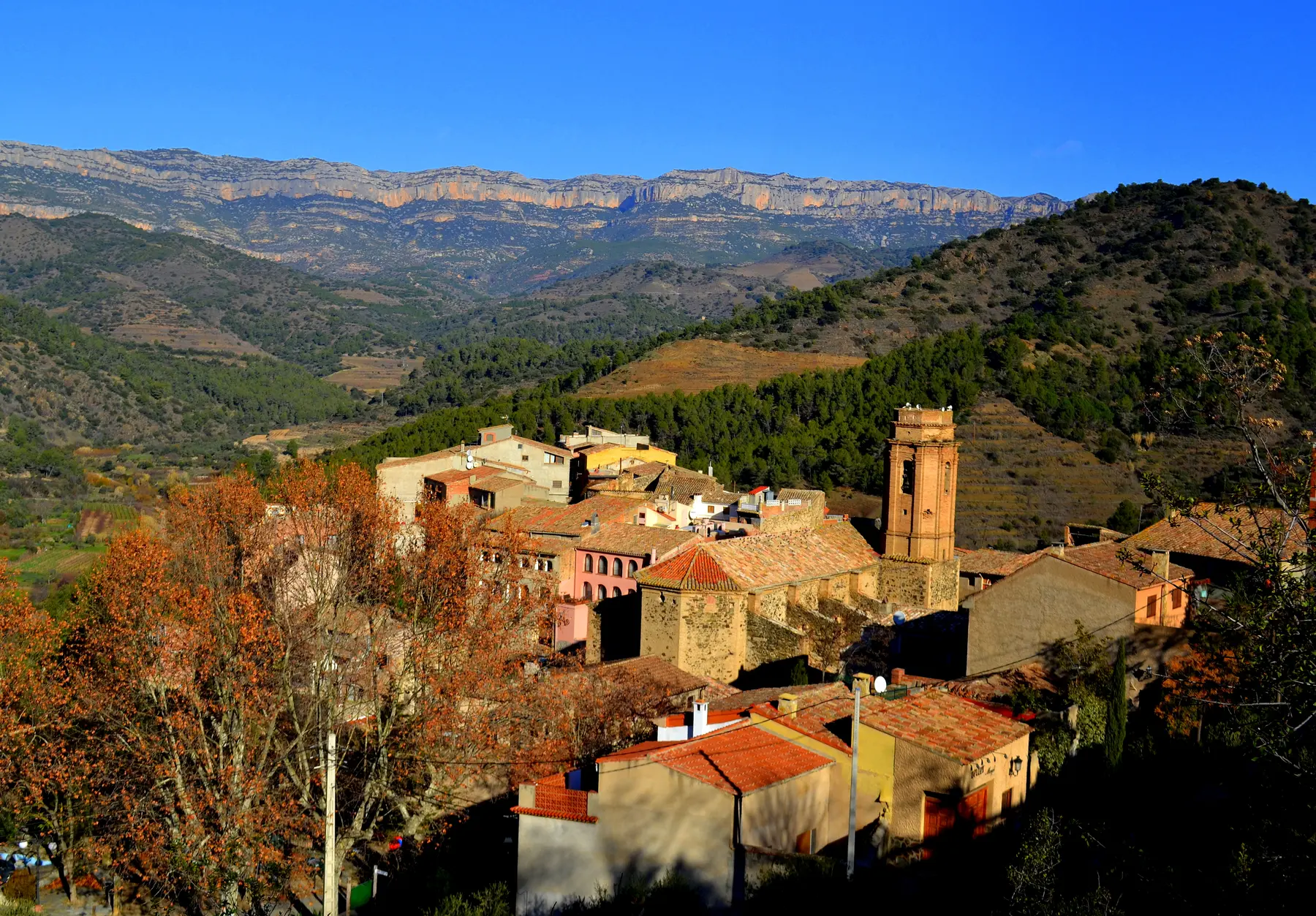
Traditional red grape
Carinyena
Understand Carinyena, also known as Carignan, and its role in DOQ Priorat and DO Montsant.Read the guide →Regional wine grapes
White grape varieties
Understand Garnatxa Blanca, Macabeu and the wider authorised white-grape record in DOQ Priorat and DO Montsant.Read the guide →
Beyond one regional stereotype
Wine styles of Priorat
Explore red, white, rosé, sweet, ranci and kosher wines across DOQ Priorat and DO Montsant without reducing the region to one powerful red style.Read the guide →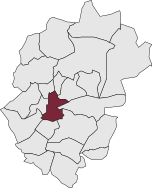
The names of the land
DOQ Priorat classification
Understand DOQ Priorat wine, Vi de Vila, Vi de Paratge, Vinya Classificada and Gran Vinya Classificada without treating the ladder as a score.Read the guide →
Bottle by bottle
Reading a Priorat wine label
Read appellation, producer, origin, grape and ageing information on Priorat and Montsant wine labels without inferring claims the bottle does not make.Read the guide →Put the wine back in place
A bottle makes more sense beside its village and producer.
The village collection shows where appellation boundaries, vineyards and local histories meet. The producer directory follows verified relationships rather than relying on a postal address alone.
Explore all villages →Browse the producer directory →