Ground beneath the vines

Llicorella and soils

Llicorella is fundamental to DOQ Priorat’s identity. It is also one part of a wider comarca whose vineyards include limestone, clay, granite-derived materials and mixed sites.

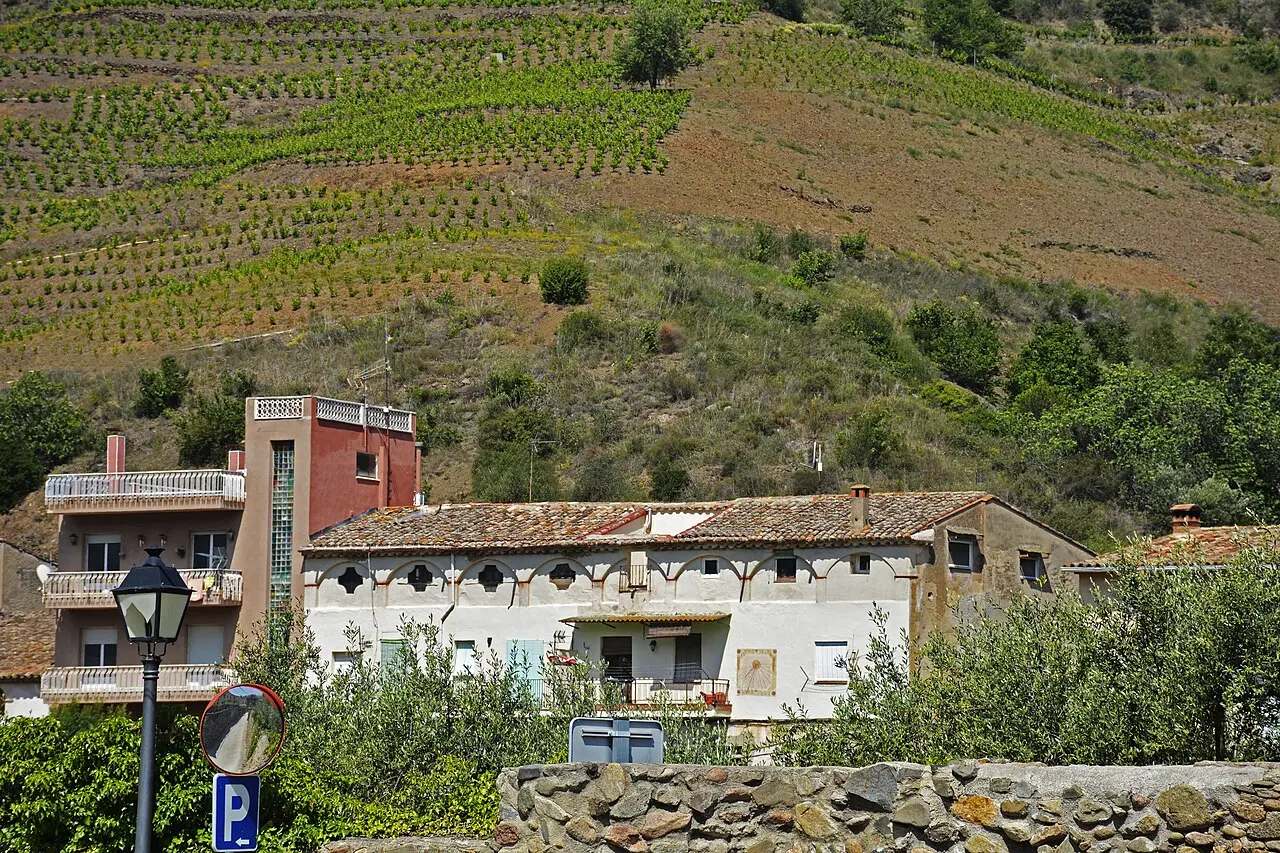
Steep vineyard ground near Porrera in DOQ Priorat

Llicorella is a local name, not a flavour guarantee

DOQ Priorat uses llicorella for the fractured slate rock that characterises much of its territory. Roots can follow fissures through shallow, stony ground where water availability is limited.

The word on its own does not establish how a wine will taste. Site, depth, orientation, rainfall, vine material, farming, harvest date and cellar work remain part of the result.
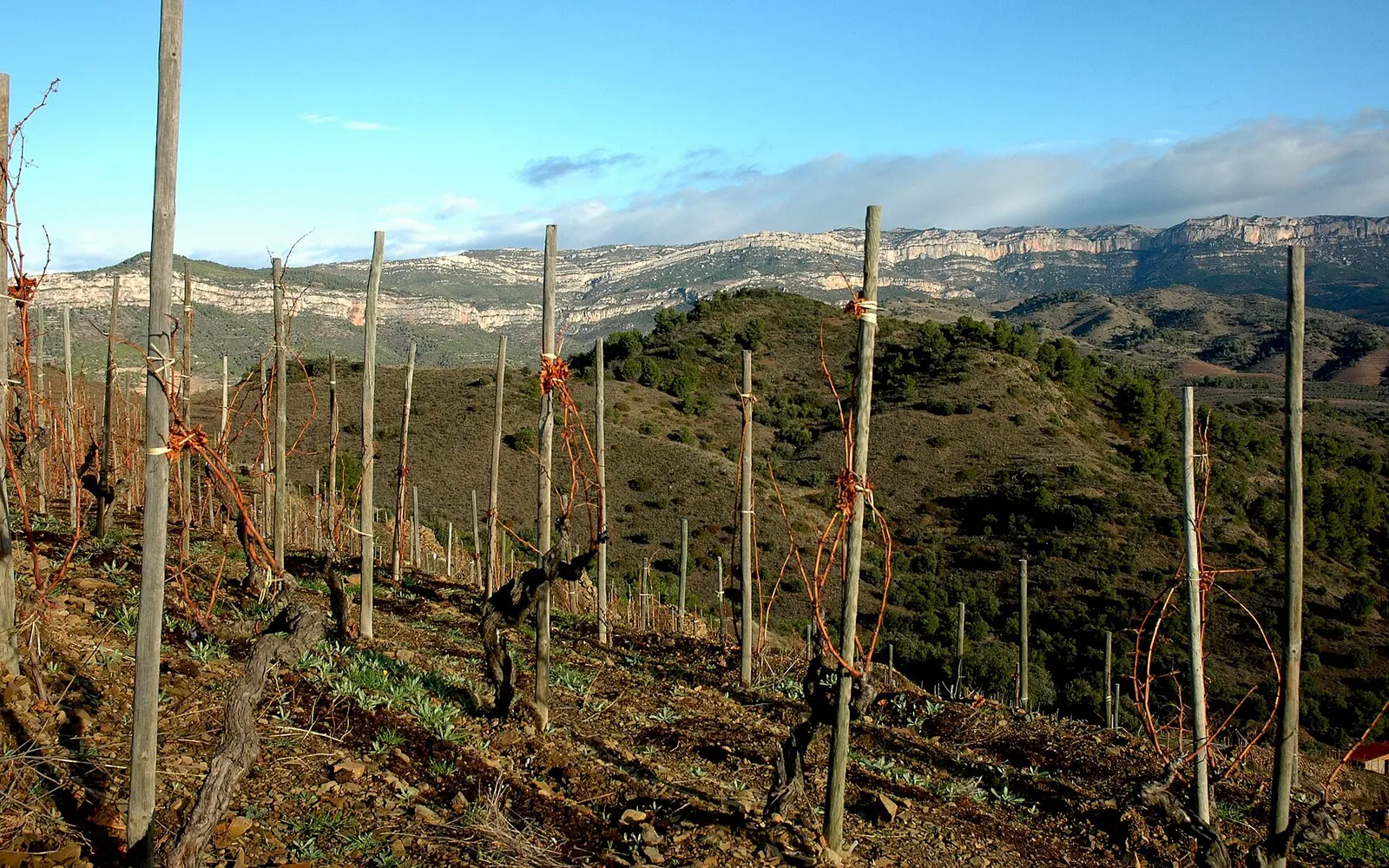
Gratallops - Vinya l'Ermita, used as Gratallops context
GratallopsA named vineyard near Gratallops. Llicorella is fractured and variable, not a uniform sheet beneath the DOQ.Image: Gratallops - Vinya l'Ermita, Lohen11 - Josep Renalias, CC BY-SA 3.0

Slate does not stop at a neat visual boundary

The appellation is a legal and cultural territory as well as a geological one. Slate is prominent across its hillsides, yet individual parcels still vary in colour, weathering, depth and accompanying materials.

Descriptions such as black, red or decomposed llicorella can be useful when they come from a named site. They should not be turned into a universal hierarchy without evidence.

El riu de Cortiella a Porrera, used as Porrera context
PorreraThe Cortiella watercourse is a reminder that slope, drainage and water movement belong in any soil account.Image: El riu de Cortiella a Porrera, Enfo, CC BY-SA 3.0

DO Montsant is deliberately more varied

DO Montsant surrounds much of the DOQ core and includes six broad landscape zones in its own technical work. Clay-limestone ground, granitic sands and slate all occur within the appellation.

This is why one Montsant soil sentence is misleading. Capçanes, Cornudella, La Figuera, El Masroig and the Ribera d’Ebre municipalities do not share one geological profile.
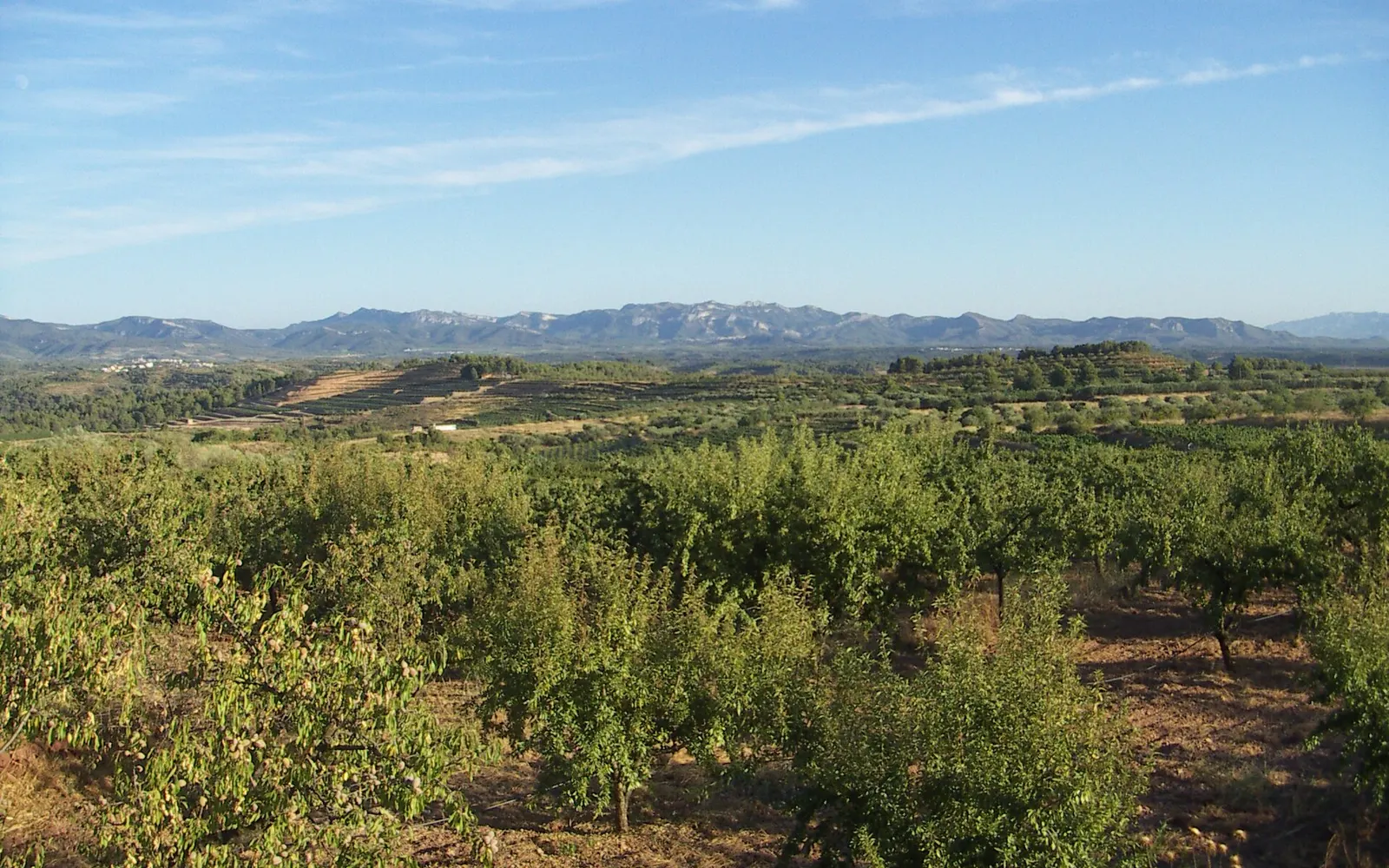
El molar, used as El Molar context
El MolarEl Molar lies where administrative, appellation and geological boundaries need careful separation.Image: El molar, Jordirivas, Public domain

Read soil through a named place

The most reliable approach is to begin with a village, estate or parcel and then check what the producer and appellation say about that location.

A soil description attached to one vineyard does not automatically apply to every producer using the same postal town. The claim belongs to the named ground until broader evidence establishes otherwise.

Soil words are evidence, not tasting notes

Llicorella

The local slate term at the centre of DOQ Priorat's territorial identity.

Clay and limestone

Important in parts of DO Montsant, with depth and composition varying by site.

Granite-derived sands

Associated with particular Montsant zones rather than the comarca as a whole.

Mixed ground

Many real parcels resist a one-word geological label, especially at transitions and valley edges.

Read through place

Villages connected with this subject

PorreraOpen village profile →GratallopsOpen village profile →El MolarOpen village profile →
Sources and verification

Official appellation and Catalan wine authority references used for this page.