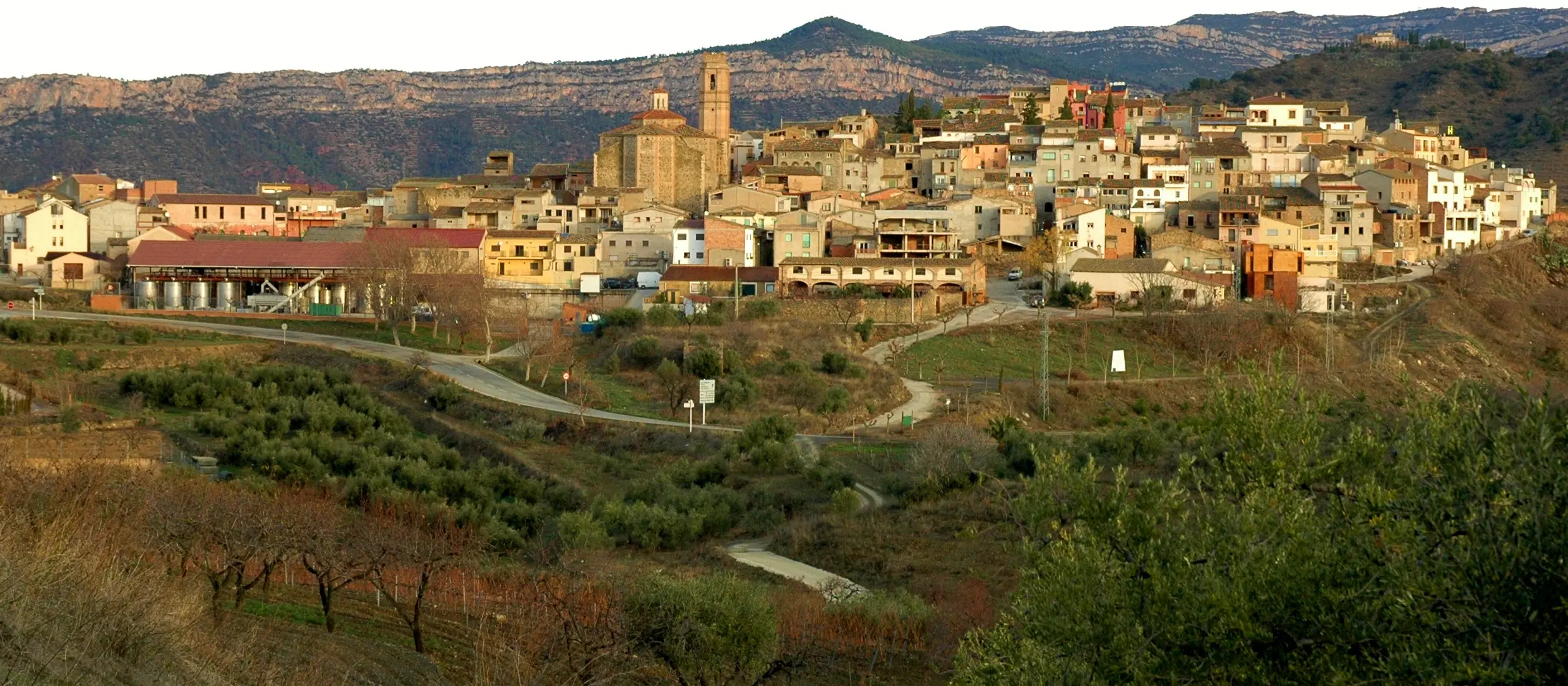
The territory is smaller than the comarca
DOQ Priorat lies within the Priorat comarca, but the two boundaries are not the same. The appellation is a compact production area below the Serra de Montsant, covering nine municipalities in full. Masos de Falset and Les Solanes del Molar add two further sectors beyond those complete municipalities.
The regulatory council describes llicorella slate and steep costers as defining features. That does not make every parcel identical. Altitude, aspect, exposure and vineyard construction vary markedly between villages and sites.
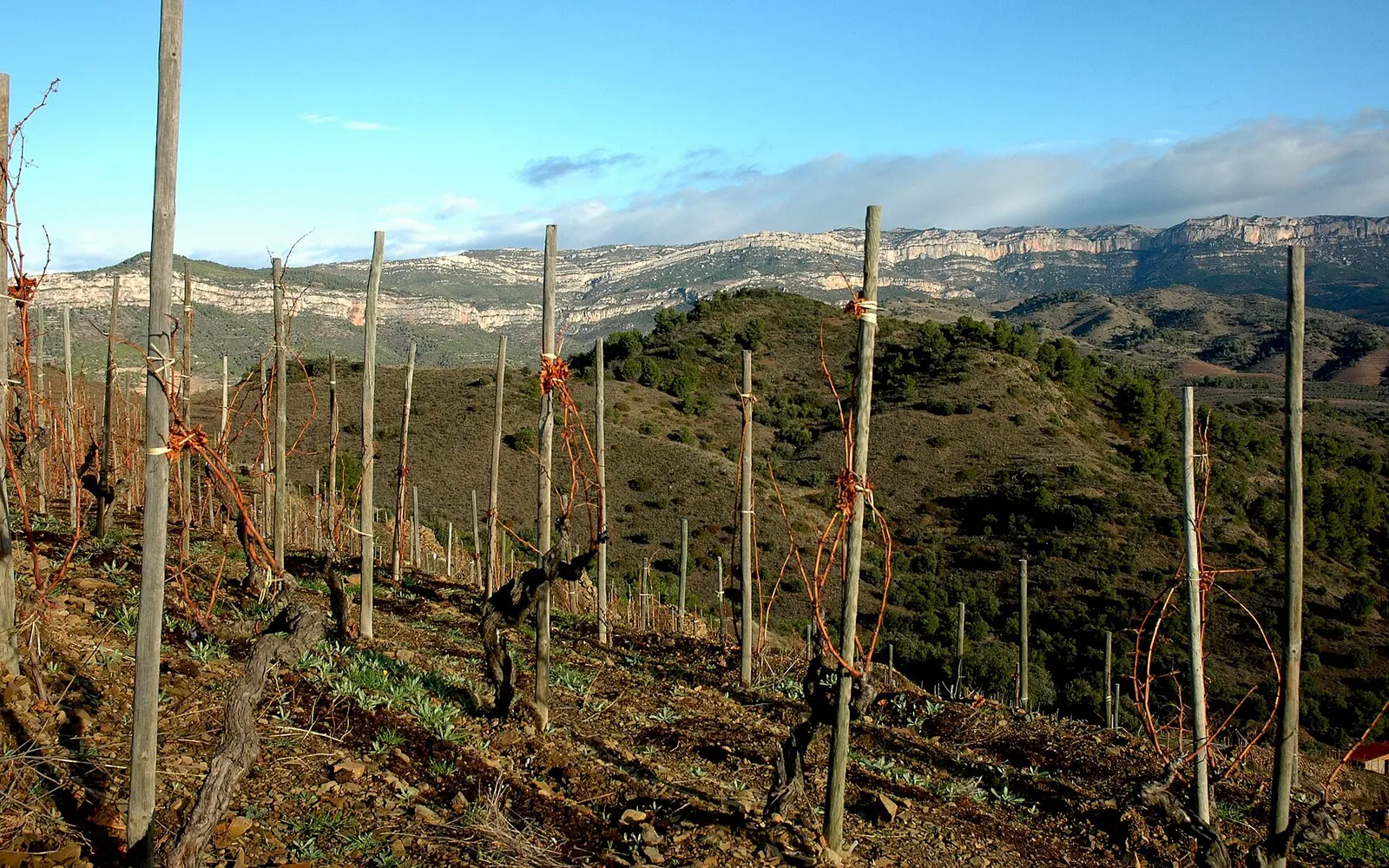
Garnatxa and Carinyena lead the record
The council lists red Garnatxa and Carinyena as the recommended varieties. Other red and white varieties are permitted, but the two traditional reds remain central to the appellation's own account of its identity.
A producer's postal address is not proof that its vineyards or winery occupy the same municipality. Appellation, village, parcel and production-site claims each need to be read on their own terms.
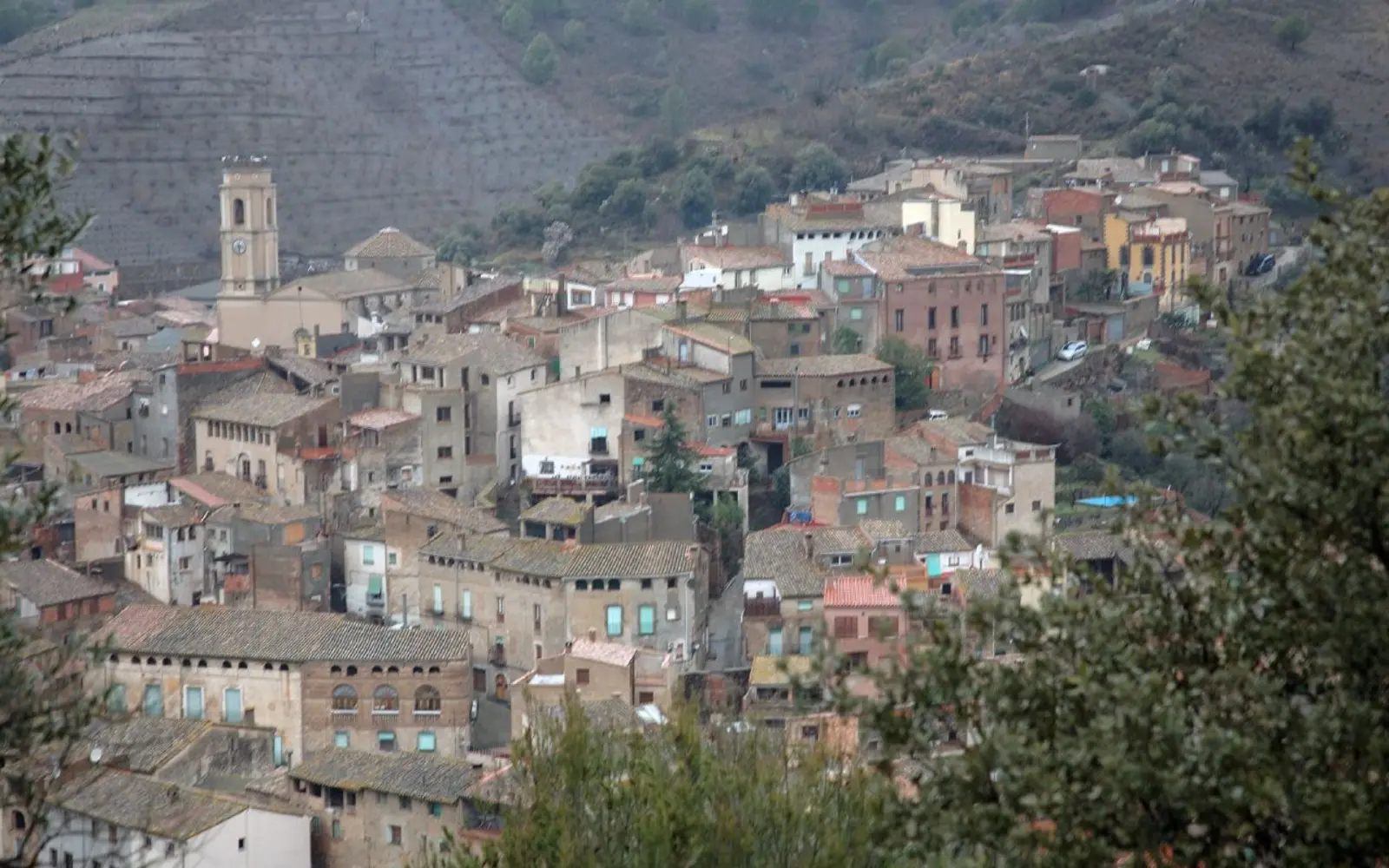
Village names can carry controlled meaning
The DOQ origin system can narrow from the whole designation to a recognised village wine zone, a named paratge and a classified vineyard under further requirements. These terms record provenance. They are not a league table of taste.
Village wine zones and municipal boundaries do not always coincide neatly. The formal wording on a bottle matters more than an attractive village name elsewhere on the label.
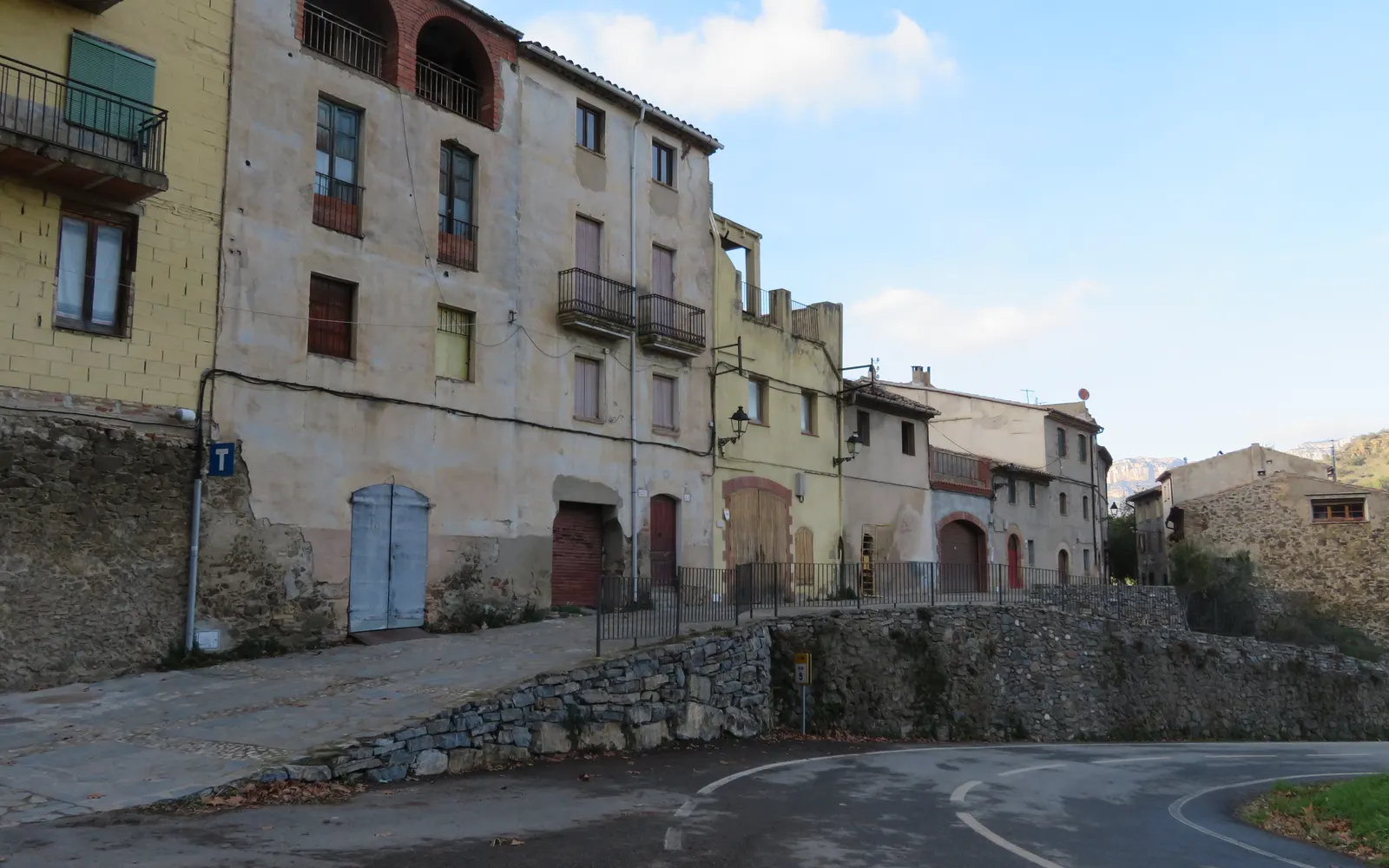
The landscape sets demanding terms
Steep slopes, fragmented holdings and limited access make vineyard work unusually labour-intensive. Terraces and costers solve different problems, so photographs of one should not be used to explain the other.
Altitude stretches the harvest calendar across the territory. Lower sites may begin earlier while high vineyards continue much later, though variety, aspect and each growing season still decide the date.