
Scala Dei gave the historic Priorat its name
The Carthusian community was established in the area in the late twelfth century. The monastery of Scala Dei became a major landholder and its domain shaped the territory later remembered as the historic Priorat.
The appellation presents the monks as central to the development of an established wine-growing culture. That does not mean vines first appeared with them, or that present producers descend directly from one monastic cellar.
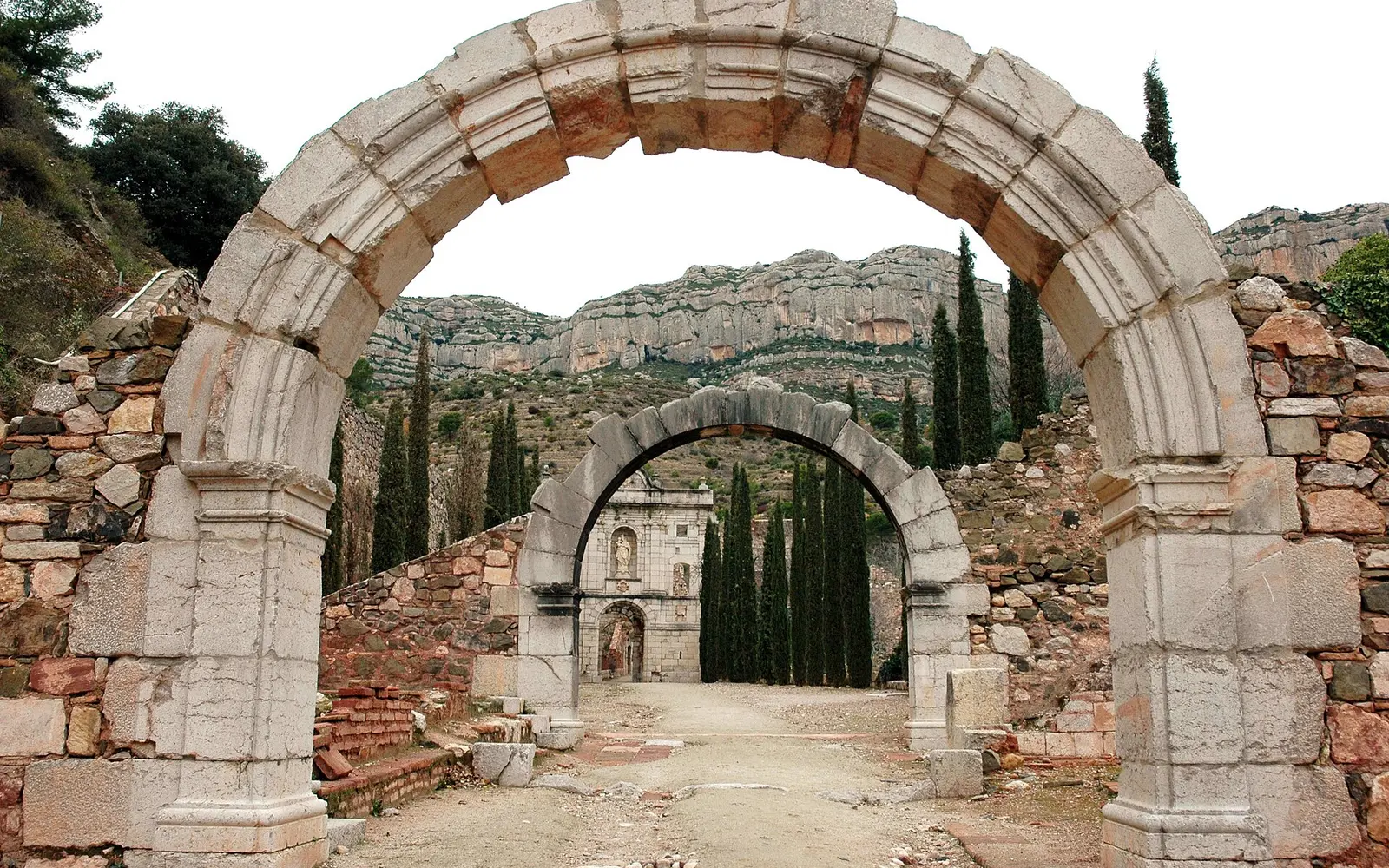
Expansion was followed by phylloxera and depopulation
Wine growing expanded after the dissolution of monastic property in the nineteenth century. Phylloxera then destroyed vineyards across the region, while industrial employment elsewhere in Catalonia drew labour away from the villages.
Replanting was incomplete. The old vineyards that survived and the farmers who continued working them became essential to the later recovery, but decline did not occur at the same speed in every municipality.
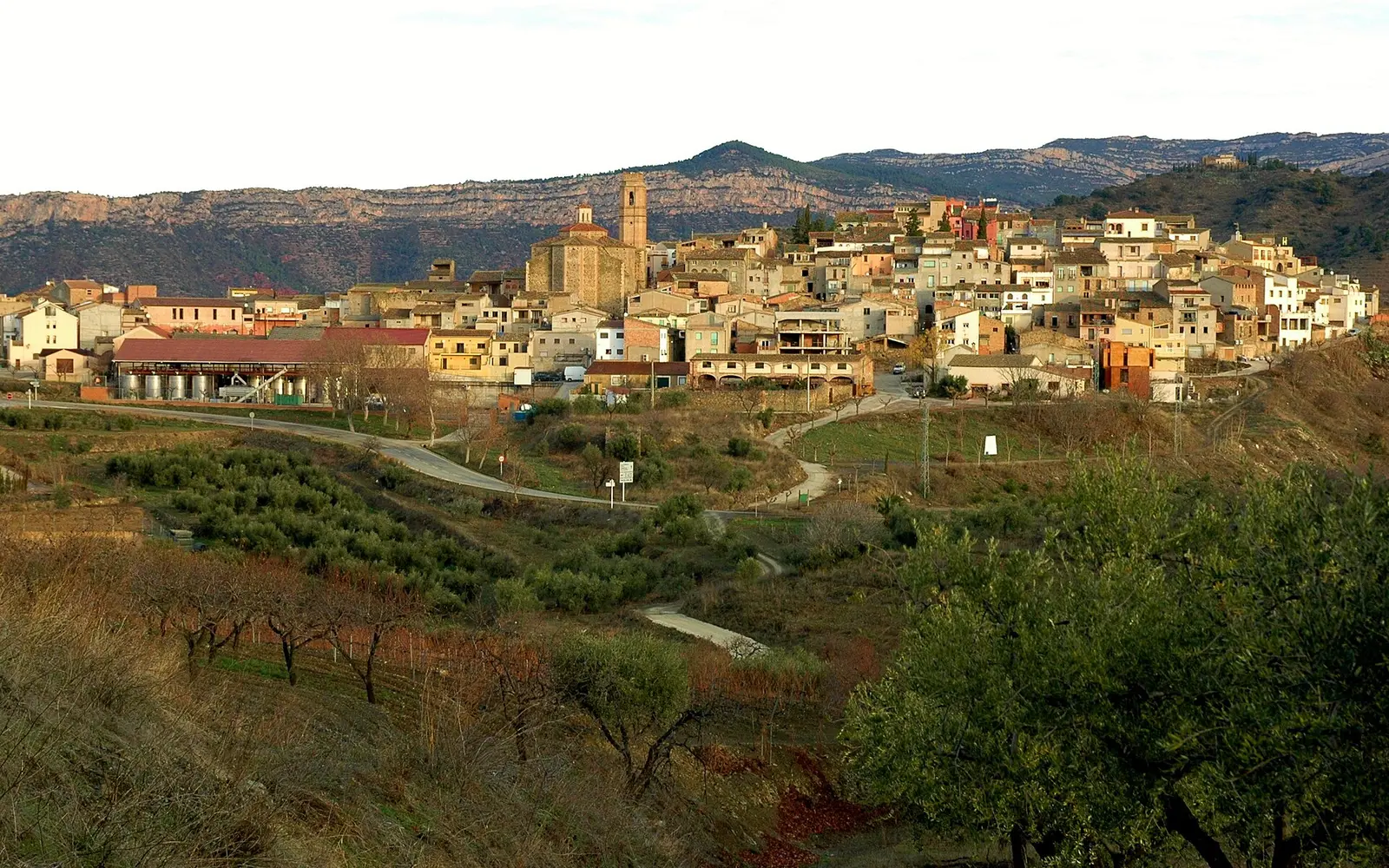
Cooperatives sustained a working wine economy
Village cooperatives became important during the twentieth century, particularly across the territory now associated with DO Montsant. Falset, Marçà, Capçanes, El Masroig and other villages developed distinct cooperative histories.
The modern appellation boundary should not be projected backwards. DO Montsant was created in 2001 from the former Falset subzone of DO Tarragona, while Priorat’s protected designation followed a separate institutional route.

The late-1980s revival changed Priorat’s reputation
A group of producers began working in the Gratallops area at the end of the 1980s, combining old vines and difficult sites with a new emphasis on estate bottling and international quality markets.
The revival is important, but it is not the whole story. Village growers, cooperatives and producers working beyond Gratallops retained the agricultural base on which the new reputation depended.