Comarca capital · DO Montsant
Falset
Falset is the place where Priorat comes to market, to work and to meet. It is a wine town, but also the practical centre of the comarca.
The town is larger and busier than the hill villages around it. Plaça de la Quartera still holds a Tuesday market. Shops, restaurants and public offices give the centre an everyday rhythm that continues after winery visits finish.
Falset is also a useful place to untangle the names on a wine label. The municipality belongs to DO Montsant, while several producers based here work with vineyards in DOQ Priorat. The comarca and the two appellations overlap, but they are not the same territory.
Orientation
A road town at the southern hinge of Priorat
 Falset© OpenStreetMap contributors
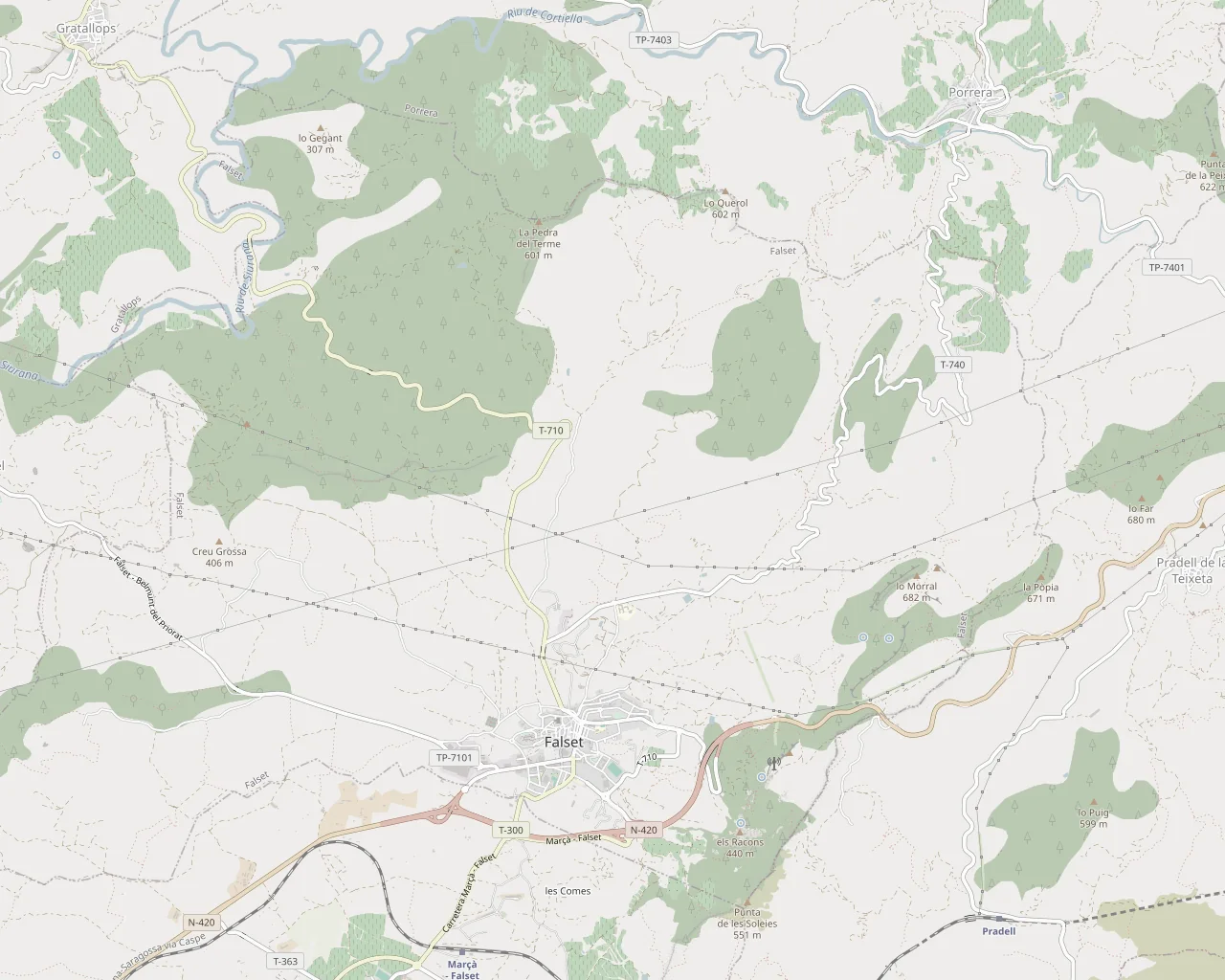
The N-420 runs past Falset and gives the town its role as a practical road base. Roads lead north towards Porrera and west towards Bellmunt del Priorat.
Marçà-Falset station is in neighbouring Marçà. Arriving by train still leaves a final connection into Falset.
Wine geography
One town, two wine stories
DO Montsant
Falset municipality is within DO Montsant. The appellation grew out of the former Falset subzone of DO Tarragona and took its present form in 2001.
DOQ Priorat
The northern part of the municipality lies within DOQ Priorat as Masos de Falset. A Falset address alone does not settle the origin of every wine made there.
The cooperative
The 1919 cellar is still at work
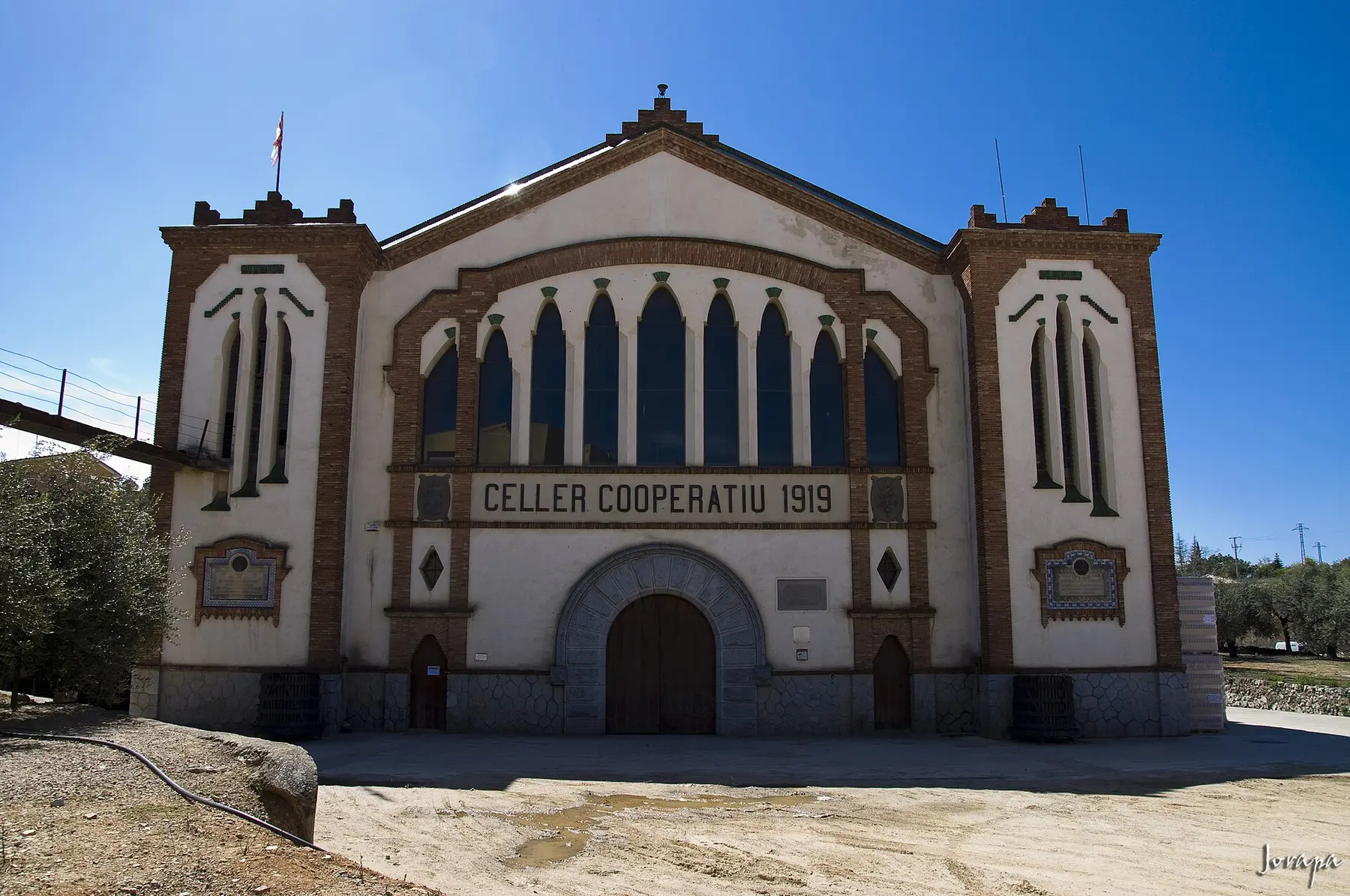
Cèsar Martinell designed the cooperative cellar with a ceremonial front and a practical interior. Brick outlines the facade, while parabolic arches carry the roof over the working spaces behind it.
The Falset cooperative began in 1917. It merged with the Marçà cooperative in 1999, linking two buildings and two village histories in one organisation. Its wines include the Ètim range.
Cooperativa Falset Marçà · Carrer Miquel Barceló, 31

Wineries
Falset’s producers
The town’s wine activity crosses appellation boundaries. These groups distinguish DO Montsant registrations at Falset from Falset bases connected with DOQ Priorat.
DO Montsant
Registered at Falset
DOQ Priorat
Falset bases with DOQ relationships
Hodgkinson · Mas del Habanero
Masos de Falset
DOQ Priorat includes the northern part of Falset municipality under the name Masos de Falset. The appellation lists Celler Xavier Artiol, Cellers Capafons-Ossó at Mas de Masos and Hodgkinson at Mas del Habanero in this zone.
Mas Martinet Viticultors at Falset and Mas Martinet Assessoraments at Porrera are separate legal entities carrying the same family name. An earlier source associates Mas Martinet with Gratallops, but it is not part of that municipality's current producer register.
Beyond the cellar
Market square, castle and old gates
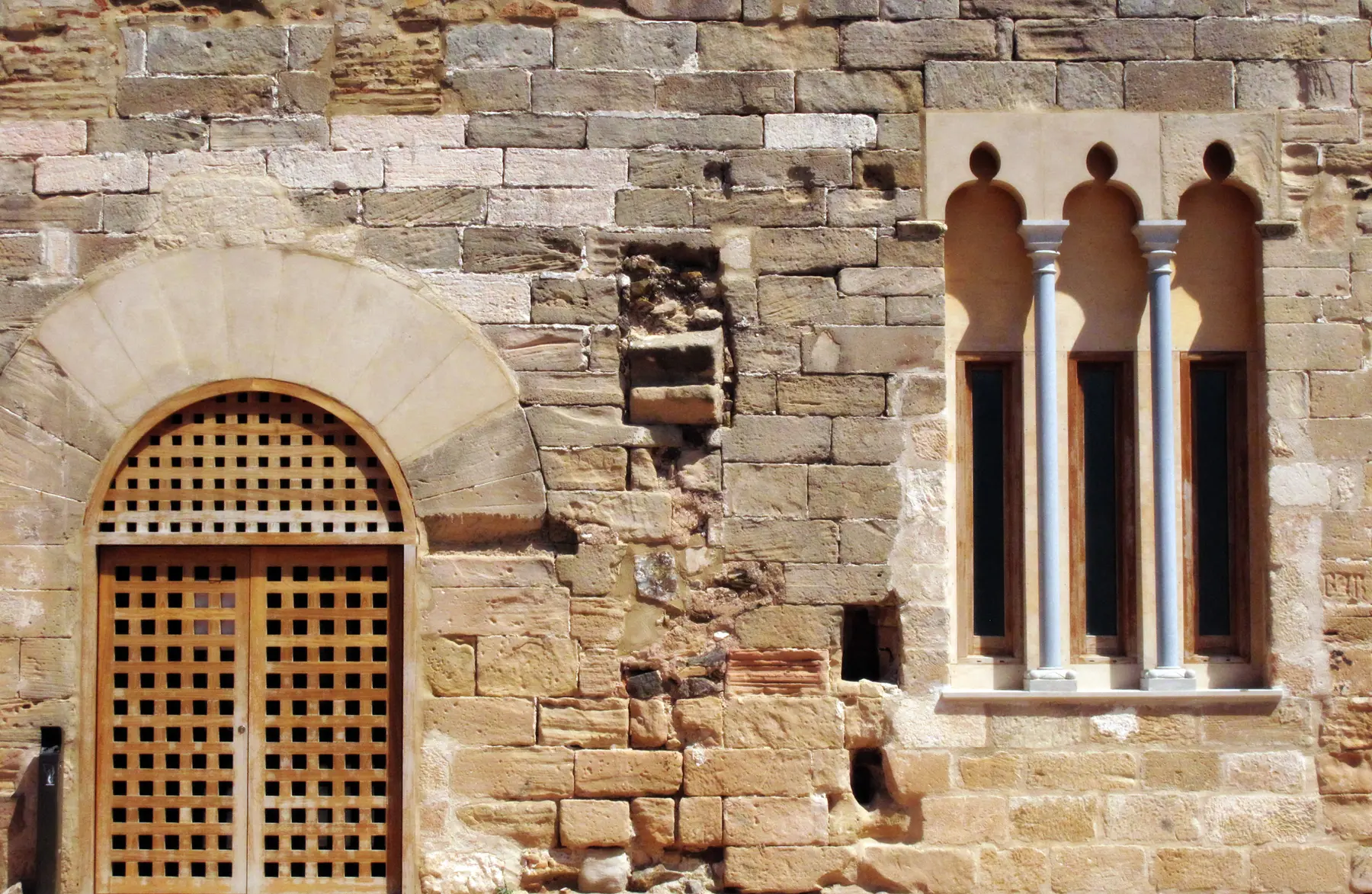
The castle above the centre now houses the museum of Falset and the Priorat comarca. Its displays range from prehistory and Roman exchange to the medieval town and later conflicts. The building became a prison in 1825 and remained one for more than a century.
Below it, the old route passes Plaça Vella, the church and the sloping arcades of Plaça de la Quartera. Portal del Bou is the only survivor of the five gates that once controlled entry to Falset.
The annual gathering
Fira del Vi brings both appellations into town
Falset’s wine fair is held in early May and draws producers from DO Montsant and DOQ Priorat. It is the clearest public expression of the town’s regional role. Dates and individual events change each year.
Photography: Falset cooperative, jorapa, CC BY-SA 2.0; vineyards, Alberto-g-rovi, CC BY-SA 3.0; Falset Castle, Enfo, CC BY-SA 3.0. Images cropped.
