The boundary crosses the comarca
DO Montsant includes many municipalities in Priorat, but its production territory also reaches into Ribera d'Ebre. Administrative and wine geography therefore separate in both directions.
The appellation developed from the former Falset subzone of DO Tarragona. Its present identity joins long-established wine villages rather than describing one uniform landscape.
Four traditional varieties stand out
INCAVI identifies Garnatxa Blanca and Macabeu among the principal traditional whites and Garnatxa Negra and Carinyena among the principal traditional reds. Together they account for more than 65 per cent of the appellation's vineyard area in the institute's current summary.
Slate occurs in parts of Montsant, but limestone, clay and granitic materials also matter. A single soil shorthand cannot explain wines from Capçanes, La Figuera, Cornudella and El Masroig.

Landscape zones resist one Montsant style
The appellation's own technical account divides its territory into broad landscape zones. Northern mountain edges, southern plains, river-influenced country and slate sectors create different conditions within the same protected name.
This variety is part of Montsant's identity, not an exception to it. A useful description begins with the producer and place before moving to a claim about the denomination as a whole.

Cooperatives remain part of the present tense
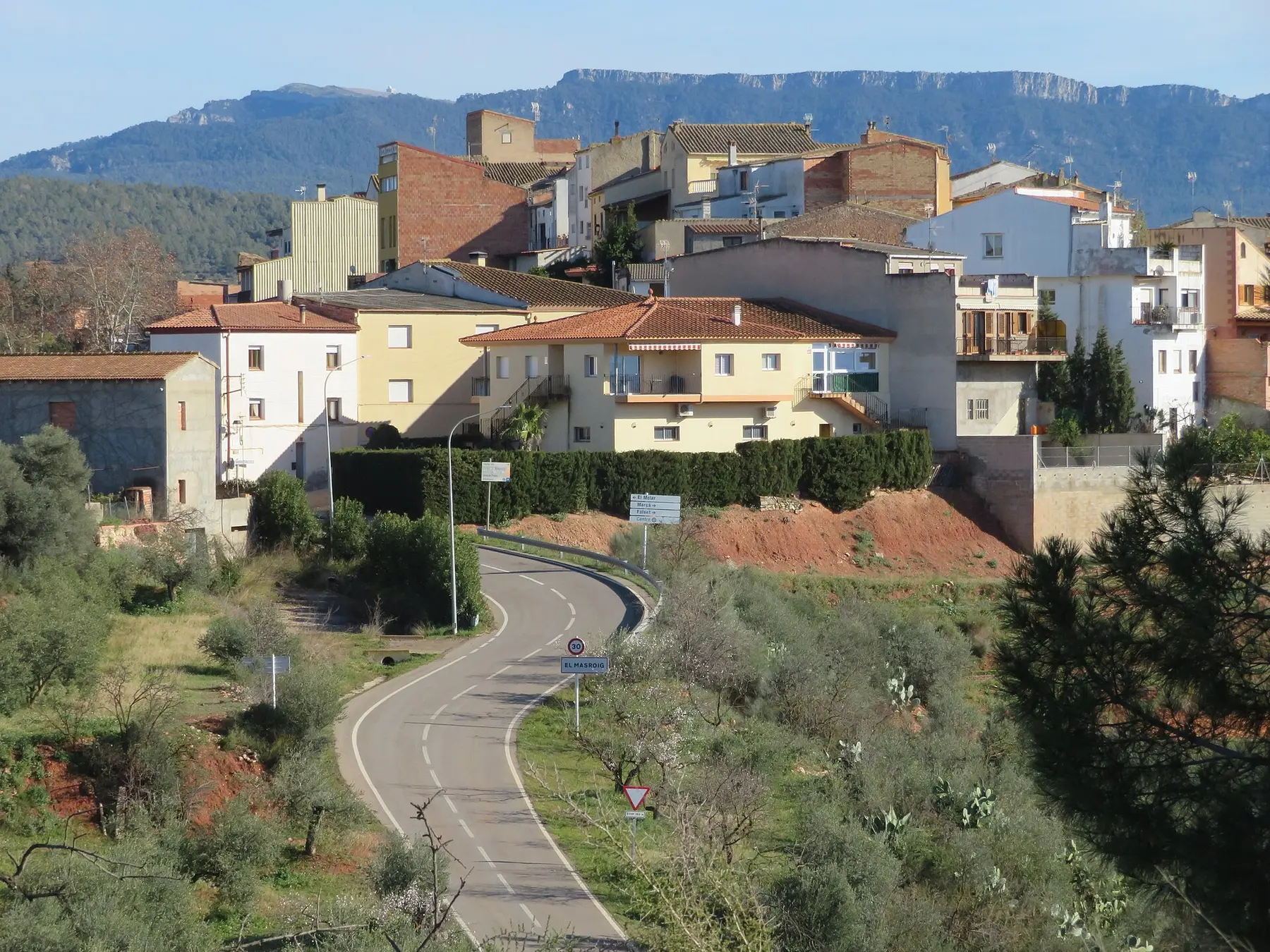
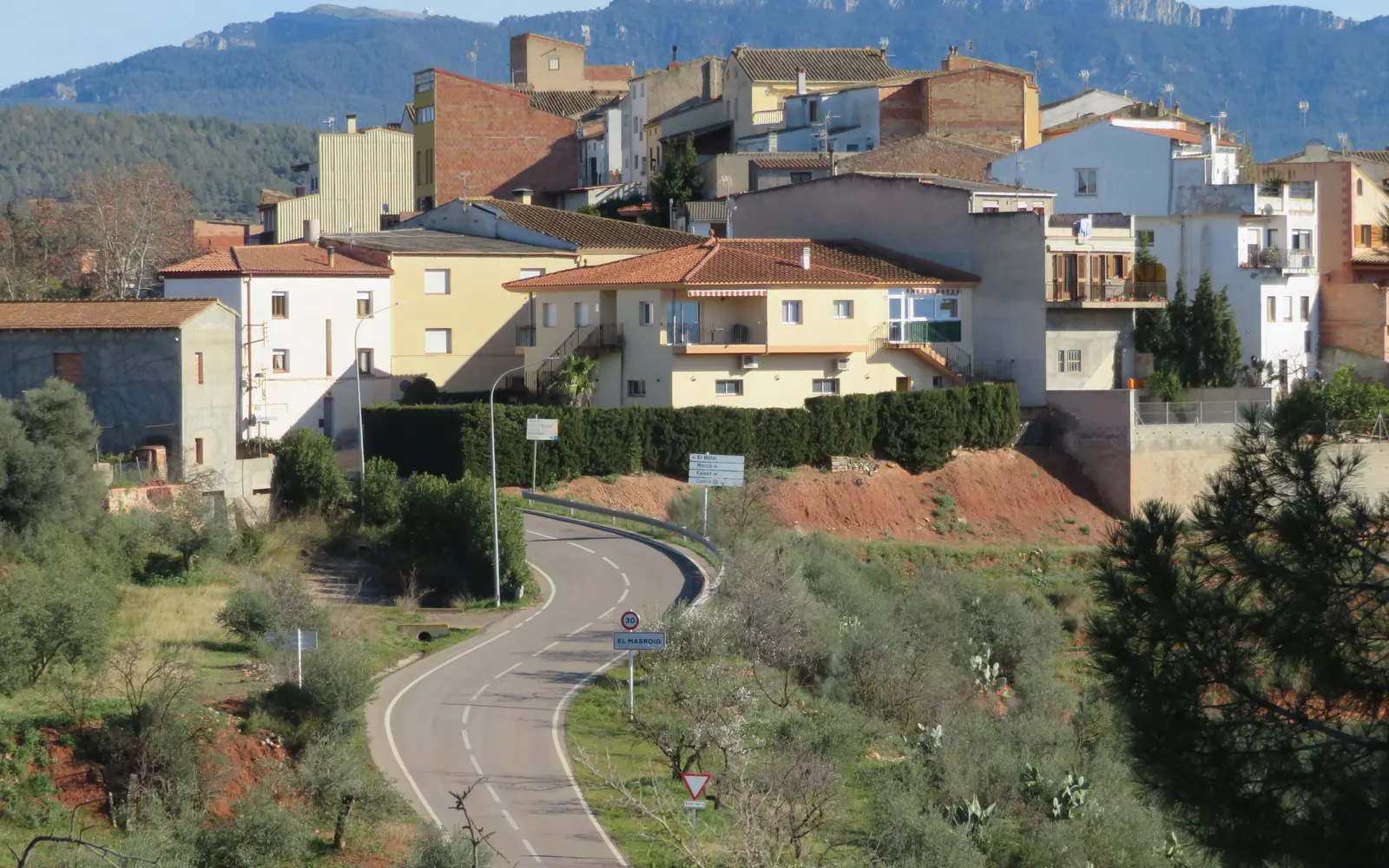
Falset, Marçà, Capçanes and El Masroig carry important cooperative histories. Their role belongs to the living wine economy as well as the twentieth-century story of survival and shared facilities.
Montsant now includes cooperatives, family cellars and newer independent projects. Organisational form alone says nothing certain about scale, farming or the ambition of a particular bottle.