Beyond one regional stereotype

Wine styles of Priorat

Red wine leads the region’s public image, but Priorat and Montsant also produce whites, rosés, sweet wines and older oxidative traditions. Capçanes adds an important modern kosher-wine record.

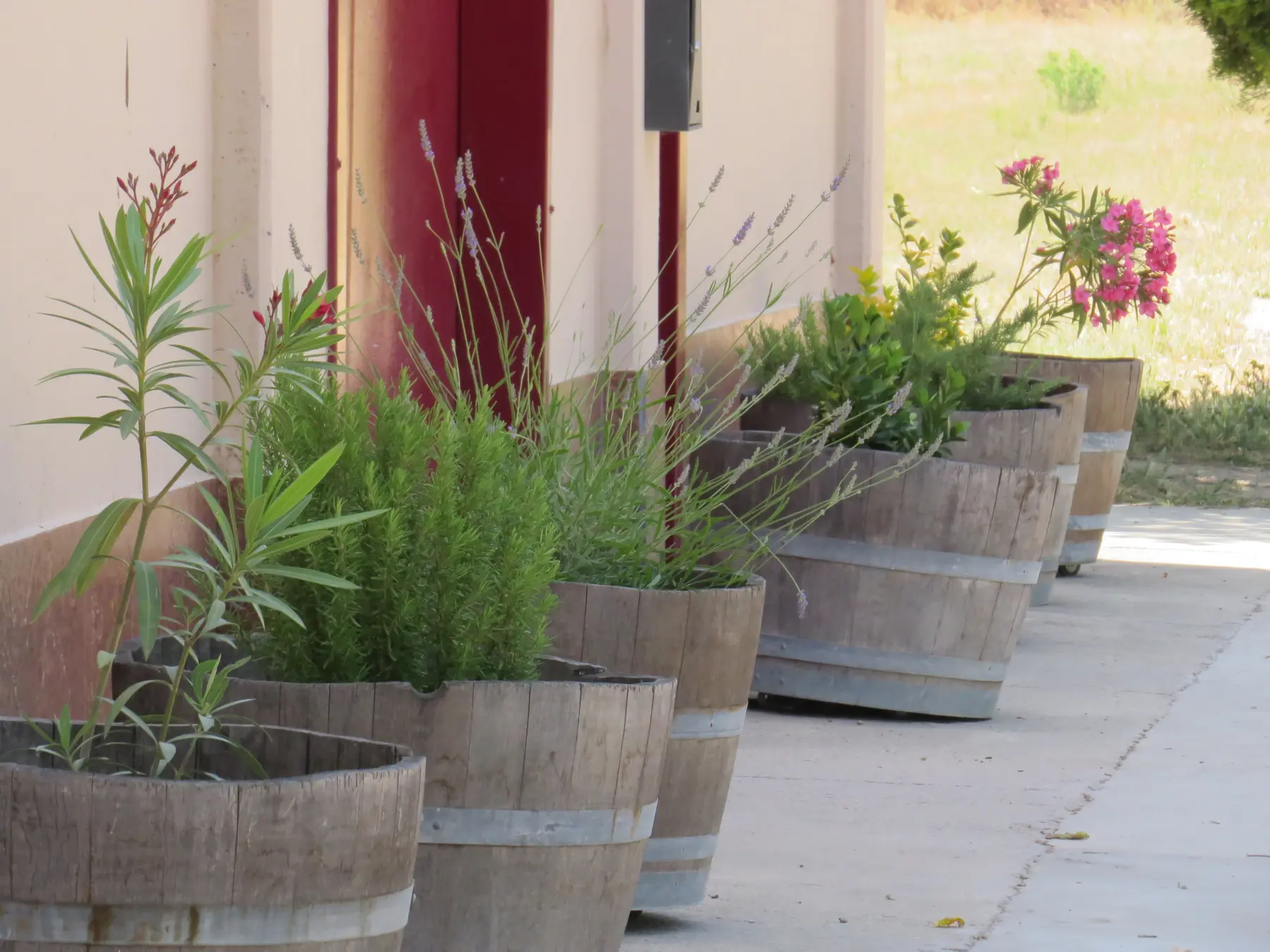
Wine barrels in Marçà in the Priorat comarca

Red wines cover more than one shape

Garnatxa and Carinyena lead many of the most recognisable reds, alone or together. Cabernet Sauvignon, Syrah, Merlot and other authorised grapes also appear, especially in blends established during the modern revival.

Alcohol, extraction and new oak are producer choices rather than permanent regional rules. Current wines range from concentrated and structured to lighter, earlier-drinking expressions.
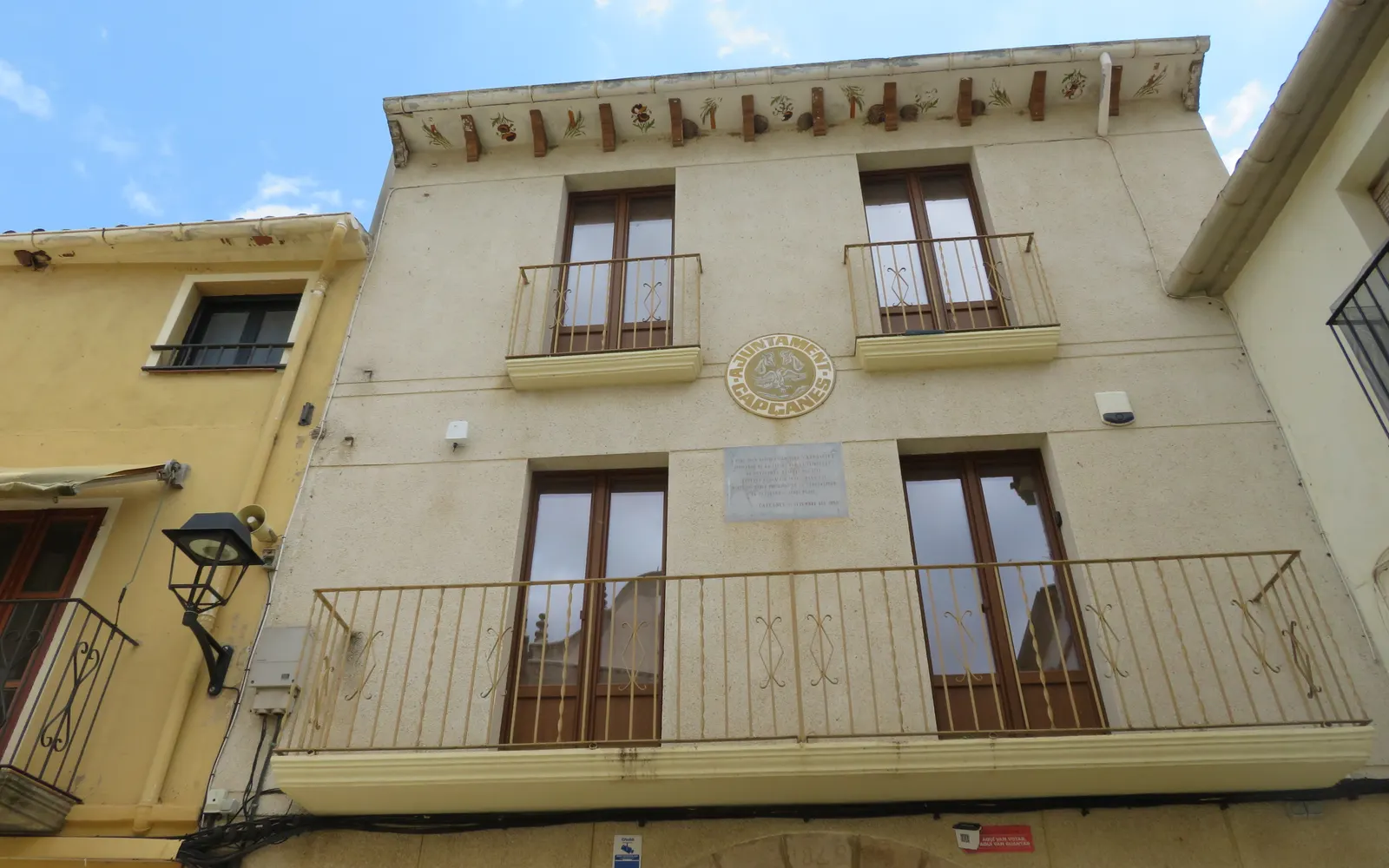
Ayuntamiento de Capçanes, Priorat, Tarragona, used as Capçanes context
CapçanesCapçanes is specifically important to the region's modern kosher-wine history.Image: Ayuntamiento de Capçanes, Priorat, Tarragona, Juan Emilio Prades Bel, CC BY 4.0

White wine has a documented regional base

Garnatxa Blanca and Macabeu provide the clearest shared white-wine thread across the two appellations. DOQ Priorat permits a wider list, while DO Montsant also authorises several additional white grapes.

Whites may be made in steel, concrete, amphora or wood and can be released young or after ageing. Colour does not identify the vessel or the intended drinking window.

Panorámica del municipio El Masroig (Tarragona), used as El Masroig context
El MasroigEl Masroig belongs to a Montsant tradition that includes reds, whites, sweet wines and ranci.Image: Panorámica del municipio El Masroig (Tarragona), Juan Emilio Prades Bel, CC BY 4.0

Rosé, sweet and ranci wines remain part of the record

Rosé represents a smaller part of production but appears in both appellations. Sweet wines may use late-harvested or fortified approaches depending on the producer and protected category.

Vi ranci is an oxidative Catalan tradition rather than a synonym for faulty wine. Production is limited, so a current bottle and method should be checked producer by producer.
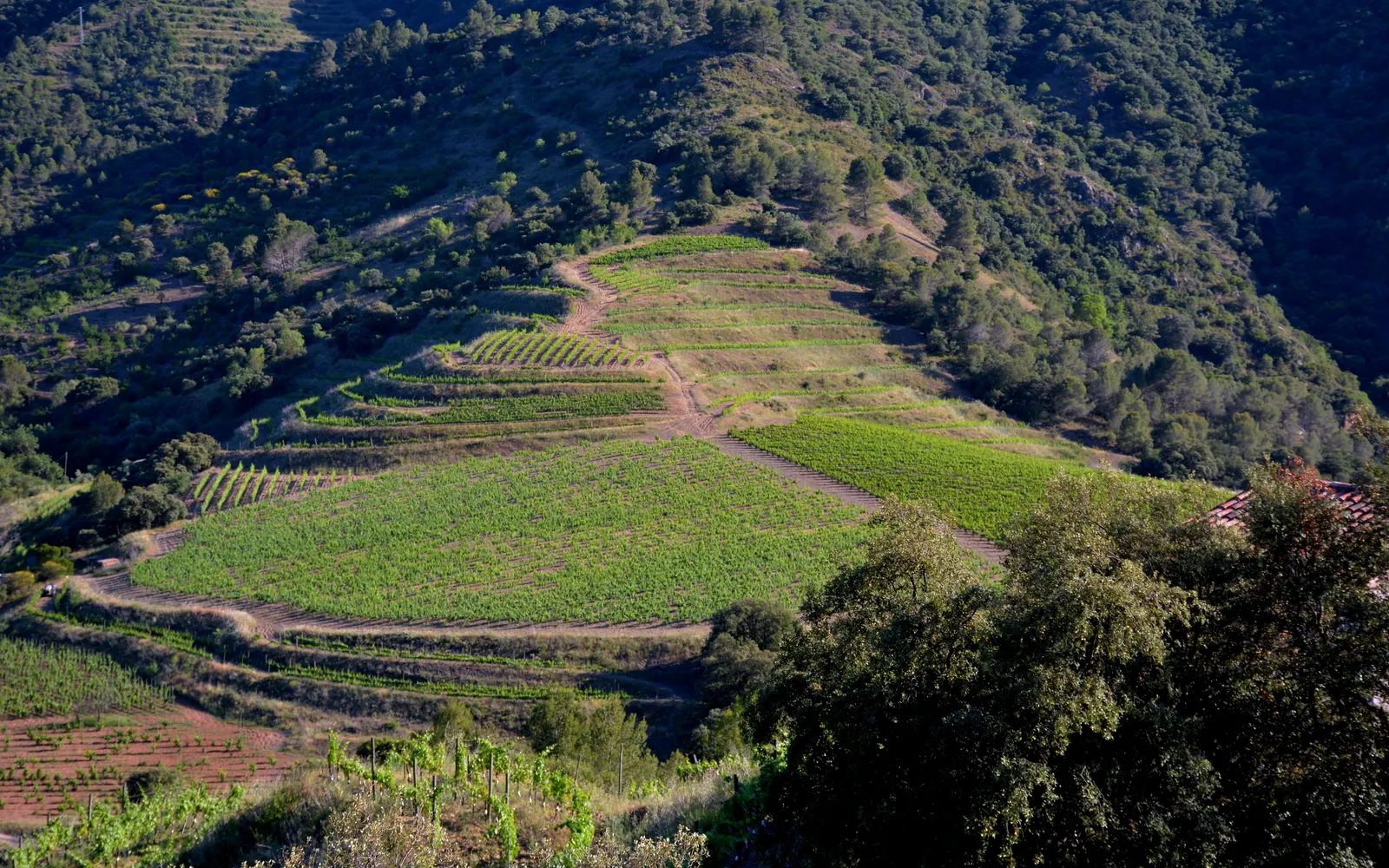
Vineyards and open Priorat country, used as Poboleda context
PoboledaPoboleda places the diversity of cellar choices inside the DOQ landscape.Image: Vinyes de Poboleda, Priorat, Tarragona, Angela Llop, CC BY-SA 4.0

Kosher wine is a specific Capçanes story

The cooperative at Capçanes began producing kosher wine in the 1990s and became internationally associated with that work. Kosher describes religious production requirements, not a grape variety or flavour style.

It should not be projected across DO Montsant as a whole. It is a particular part of Capçanes wine history, alongside the village's wider cooperative production.

Style claims need a method behind them

Red

Garnatxa and Carinyena may lead, but blend, extraction, vessel and release date still shape the result.

White and rosé

Both appellations protect more than red wine, with different grapes and cellar approaches in current use.

Sweet and ranci

These are specific production traditions, not loose synonyms for ripe or oxidised table wine.

Kosher

A production framework governed by religious requirements, not a grape or flavour category.

Read through place

Villages connected with this subject

CapçanesOpen village profile →El MasroigOpen village profile →PoboledaOpen village profile →
Sources and verification

Official appellation and Catalan wine authority references used for this page.